For more than 15 years, the Raising Spirit Project has brought together Blackfoot families, Elders, students and researchers at the University of Lethbridge to explore knowledge sharing, culture and community-based learning.
Designed to support the preservation and sharing of Blackfoot history, language and cultural teachings, the project uses participatory and community-based research to create opportunities for collaboration between the University and Blackfoot communities. Over time, Raising Spirit has become an example of how academic research and Blackfoot knowledge can work together to support cultural understanding and education for future generations.
The Raising Spirit Project was inspired by conversations between Dr. Jan Newberry, ULethbridge anthropology professor emeritus, and Tanya Pace-Crosschild (BSc '98), currently Legislation Coordinator at Kainaiwa Children’s Services Corporation, who was Executive Director of Opokaa’sin Early Intervention Society when the project began.
“We shared a common problem: how to reconcile the programs and funding offered for early childhood education and care in Blackfoot Territory that did not align with local values in raising children,” says Newberry.
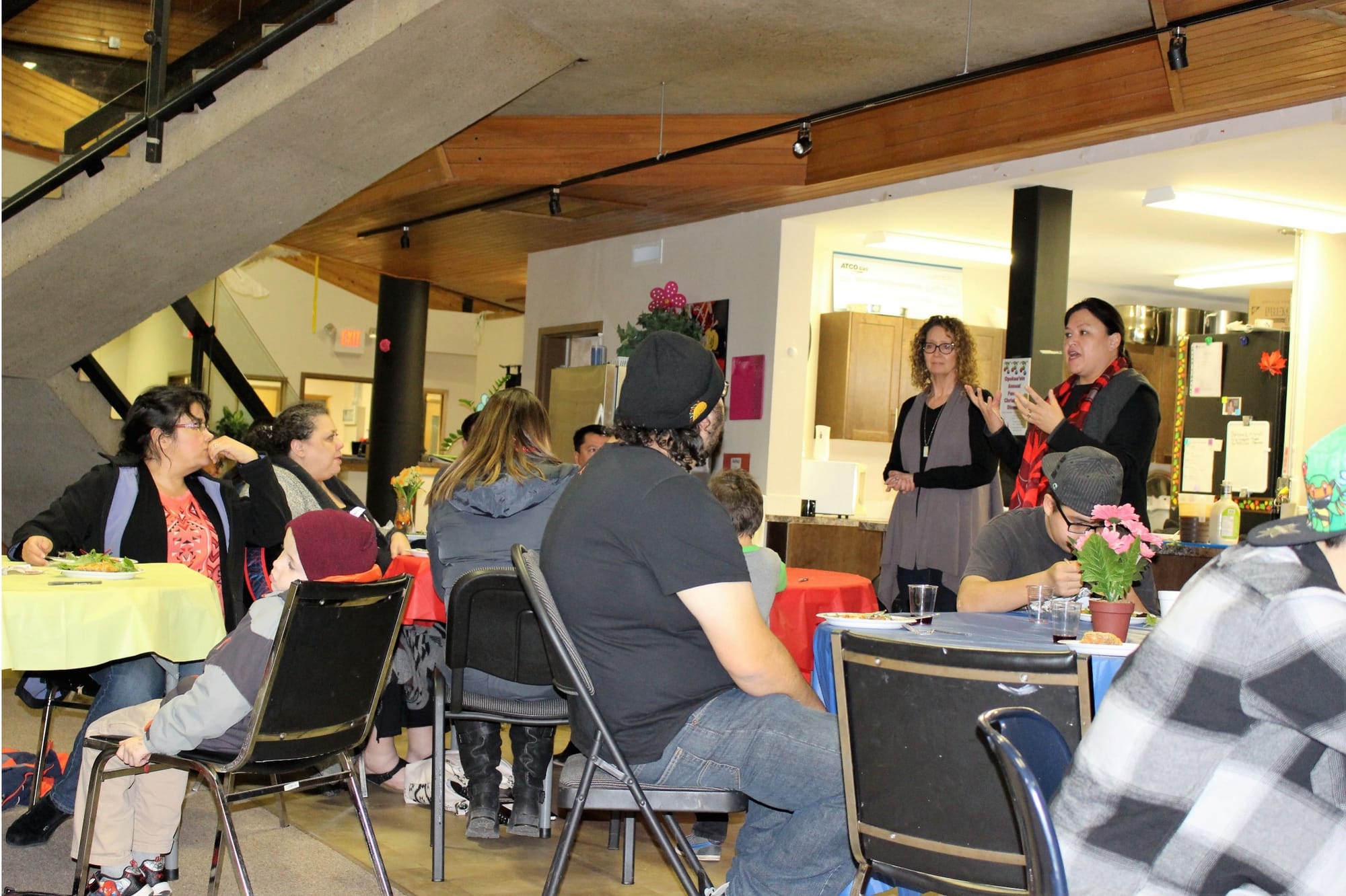
From the beginning, Raising Spirit has focused on creating opportunities for collaboration between the University, students and the Blackfoot community. As the initiative evolved, each phase built on the relationships and knowledge developed through earlier work.
“The first phase of the project focused on participatory photography and storytelling,” says Newberry. “This resulted in a large number of photographs of child-rearing practices, a set of interviews around the values represented, and an emerging set of relationships between the University and Opokaa’sin and the Blackfoot community.”
Together, the photographs and conversations created what the researchers describe as “braided voices,” weaving together the perspectives of families, children and Elders to preserve Blackfoot knowledge across generations.
As Raising Spirit evolved, its second phase expanded community involvement and the project’s impact.
“This stage involved gathering information to build a digital storytelling library for use by Opokaa'sin in its programming, including language and cultural revitalization,” says Newberry.
This ultimately led to the creation of an open-source digital storytelling library designed to support and preserve Blackfoot cultural knowledge.
For many university and high school students, participating in Raising Spirit became an opportunity to learn about Blackfoot ways of knowing, while gaining experience with collaborative, community-based research. The project also helped to strengthen connections between the University and local Indigenous organizations while creating hands-on learning for students.
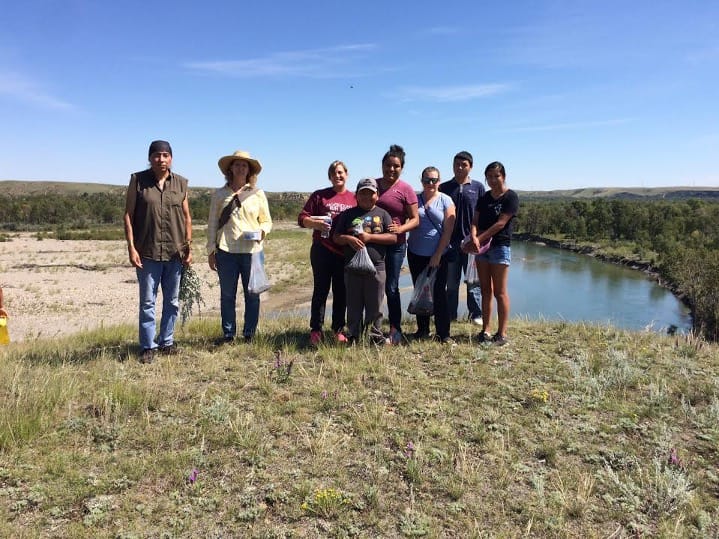
Beyond its research contributions, Raising Spirit has inspired additional initiatives focused on leadership, empowerment and gender justice within Blackfoot communities.
“This project was instrumental in leading to the Blackfoot Women's Empowerment Project and the Gender Justice Relations project and the publication of the book Raising Spirit in Blackfoot Territory: Collaborative Design and Ethnographic Refusal,” says Newberry. “But perhaps most importantly, the project has produced a set of relationships with Opokaa’sin, and across Blackfoot Territory.”
More broadly, the project reflects a growing emphasis within ULethbridge on building meaningful relationships with Indigenous communities and recognizing the importance of Indigenous knowledge within higher education.
Now entering its third phase, Raising Spirit is being guided by a new generation of scholars who were themselves involved in Raising Spirit as students. Faculty members involved in the project include Dr. Amy Mack (BA '13, MA '16), assistant professor in the Department of New Media and Canada Research Chair (Tier 2), who was initially involved as a master's student; Dr. Chloe Crosschild (BN '14, MN '19), assistant professor in the Faculty of Health Sciences (Nursing), who joined the project as an undergraduate student; and Ryan Crosschild, assistant professor of Women and Gender Studies and Sociology in association with the new Feminist Research Institute, who first participated as a high school student.
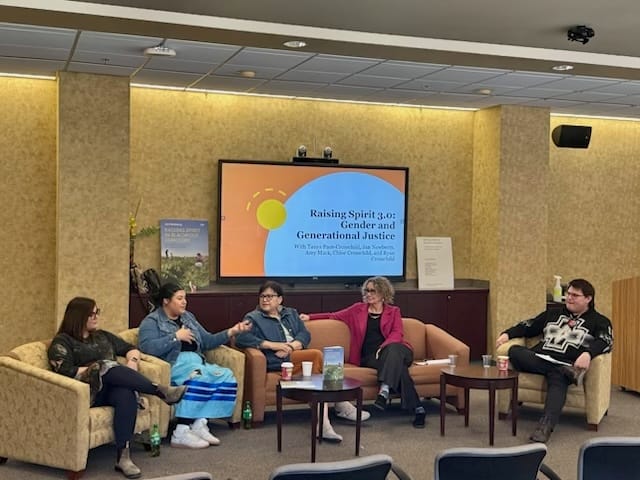
The next phase of Raising Spirit will involve moving the digital library to an accessible location to better serve Blackfoot people. This process will require important conversations about data sovereignty and protocols governing the production and stewardship of Indigenous knowledge at ULethbridge —conversations that the three current scholars are well positioned to lead.
Raising Spirit 3.0 will continue to invite students to participate in community-based research, gaining experience that connects academic learning with real-world collaboration and cultural understanding.
As the initiative continues to grow, Raising Spirit stands as a powerful example of how relationships between Indigenous communities and universities can foster knowledge sharing, support cultural continuity and create opportunities for future generations of scholars and community leaders.