With a background in and passion for photography, recent MFA graduate Nahid Pouzesh (MFA '26) found the freedom to explore her artistry at ULethbridge.
Throughout her graduate journey at ULethbridge, Nahid found community among her classmates and mentors among her professors. Receiving several awards and scholarships along the way helped Nahid focus on her studies and ensure her work was at its best.
As she finishes her degree, Nahid hopes to continue her professional and creative development, keeping community at the heart of everything she does.
Meet Nahid. Passionate. Persistent. Perfectionist (for better or worse).
Photos courtesy of Nahid Pouzesh.
Why did you choose to pursue graduate studies in the fine arts at the University of Lethbridge?
I wanted to continue my education at one of Canada's good universities, in an environment where I could work and speak freely. My background was in photography and advertising art direction, but my own work kept returning to one subject: the visibility of Iranian women and the censorship surrounding the female body.
At the University of Lethbridge, I found the freedom to make, exhibit, and talk openly about work I could not have shown at home, along with the time, technical support, and mentorship to move from photography into cyanotype, photo transfer, ceramics, and installation.
What did your thesis/research focus on?
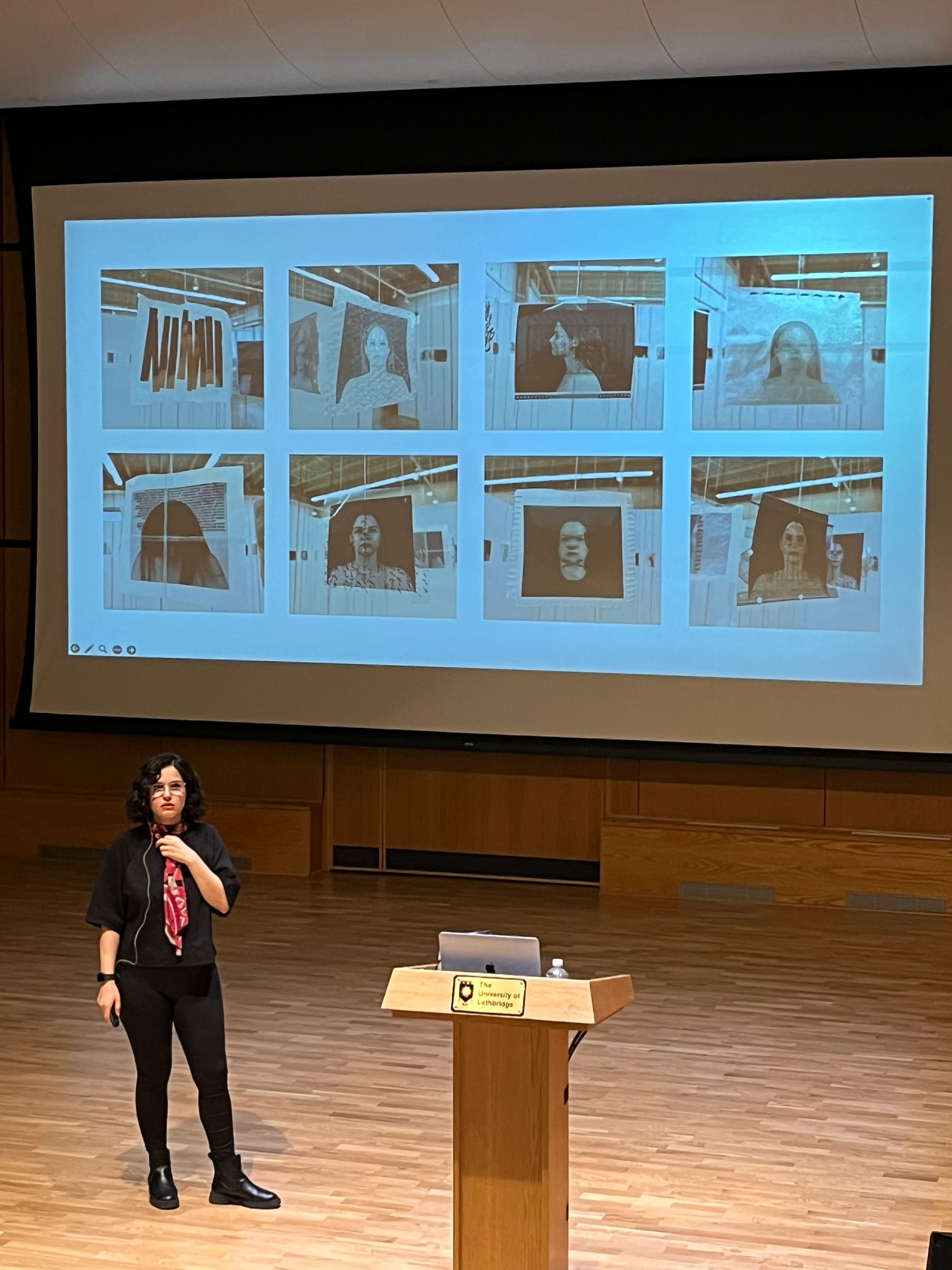
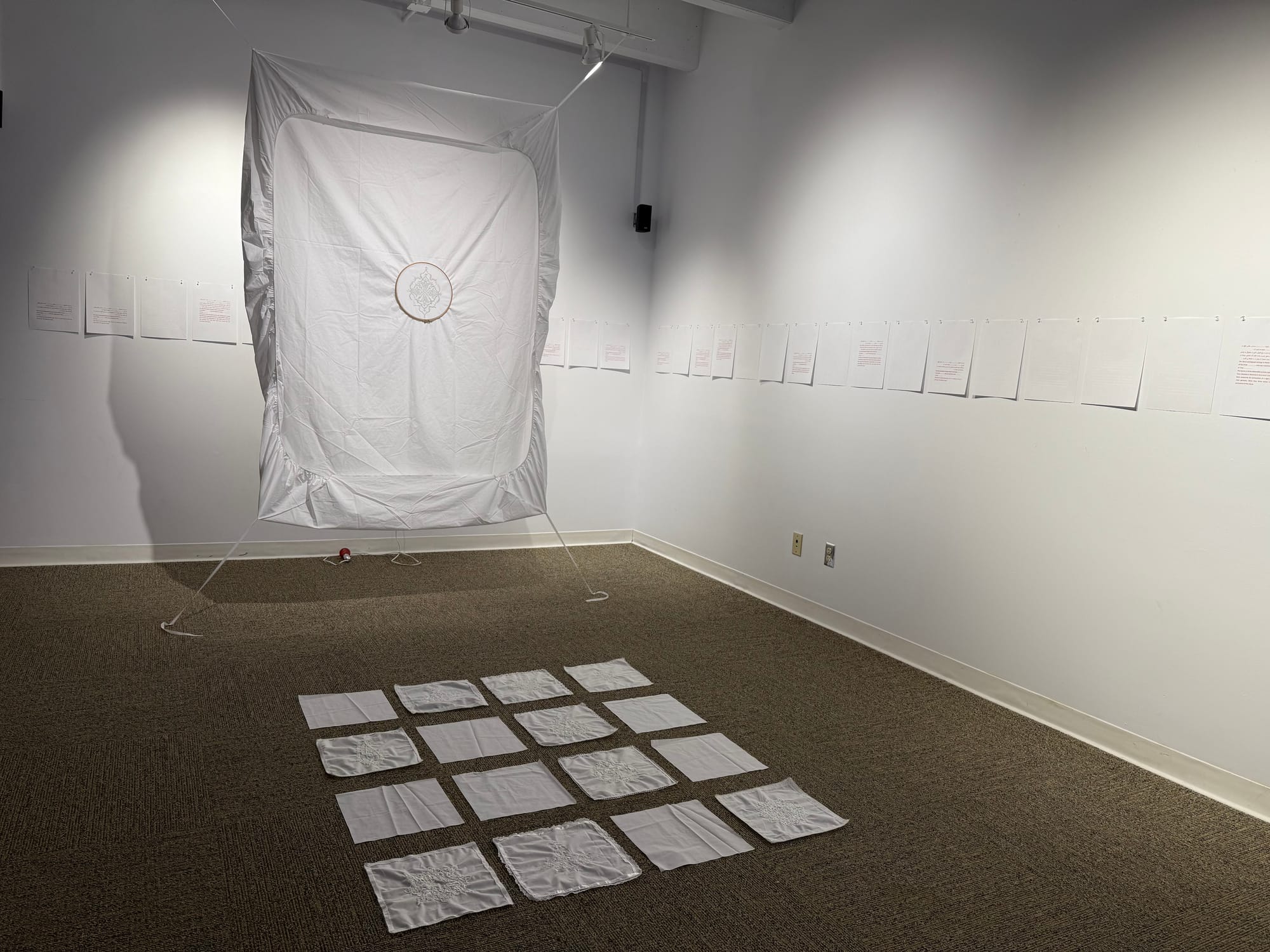
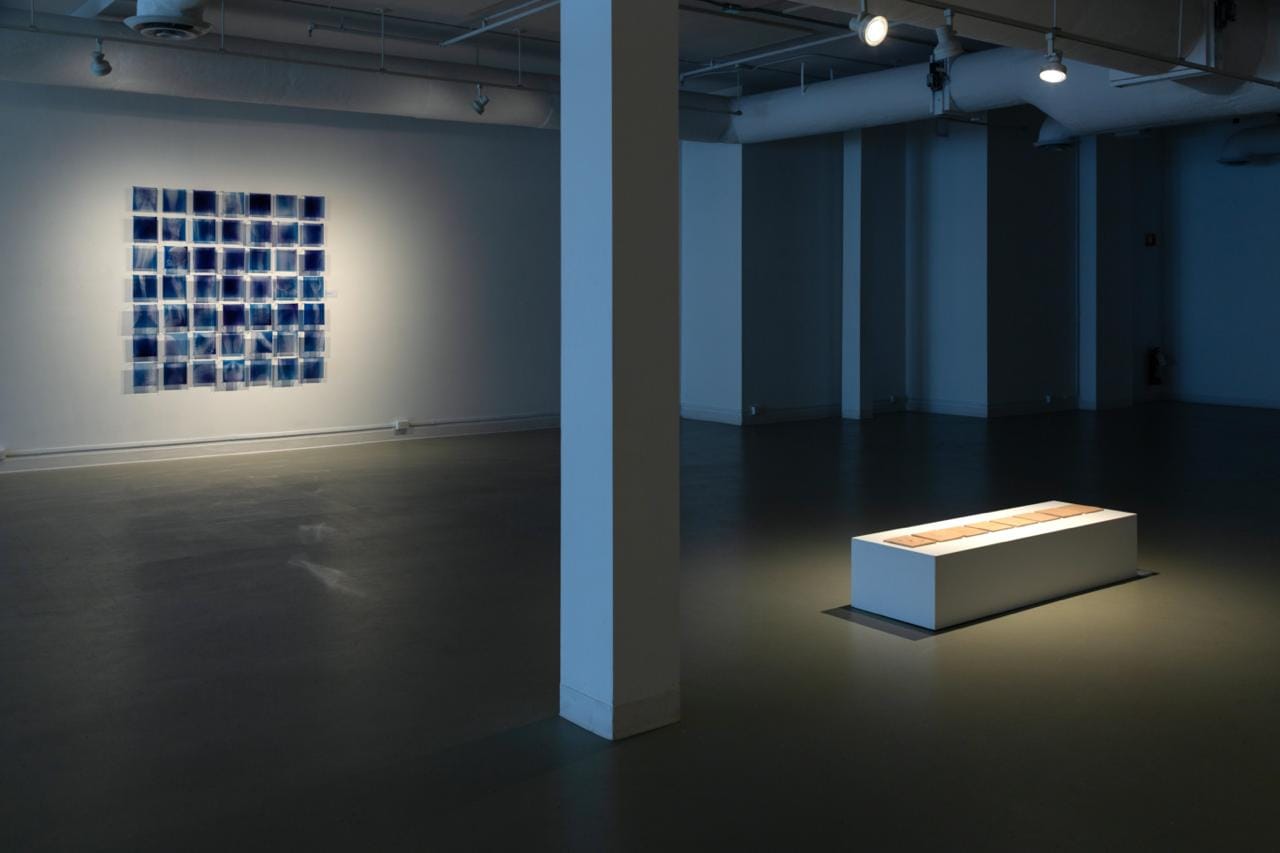
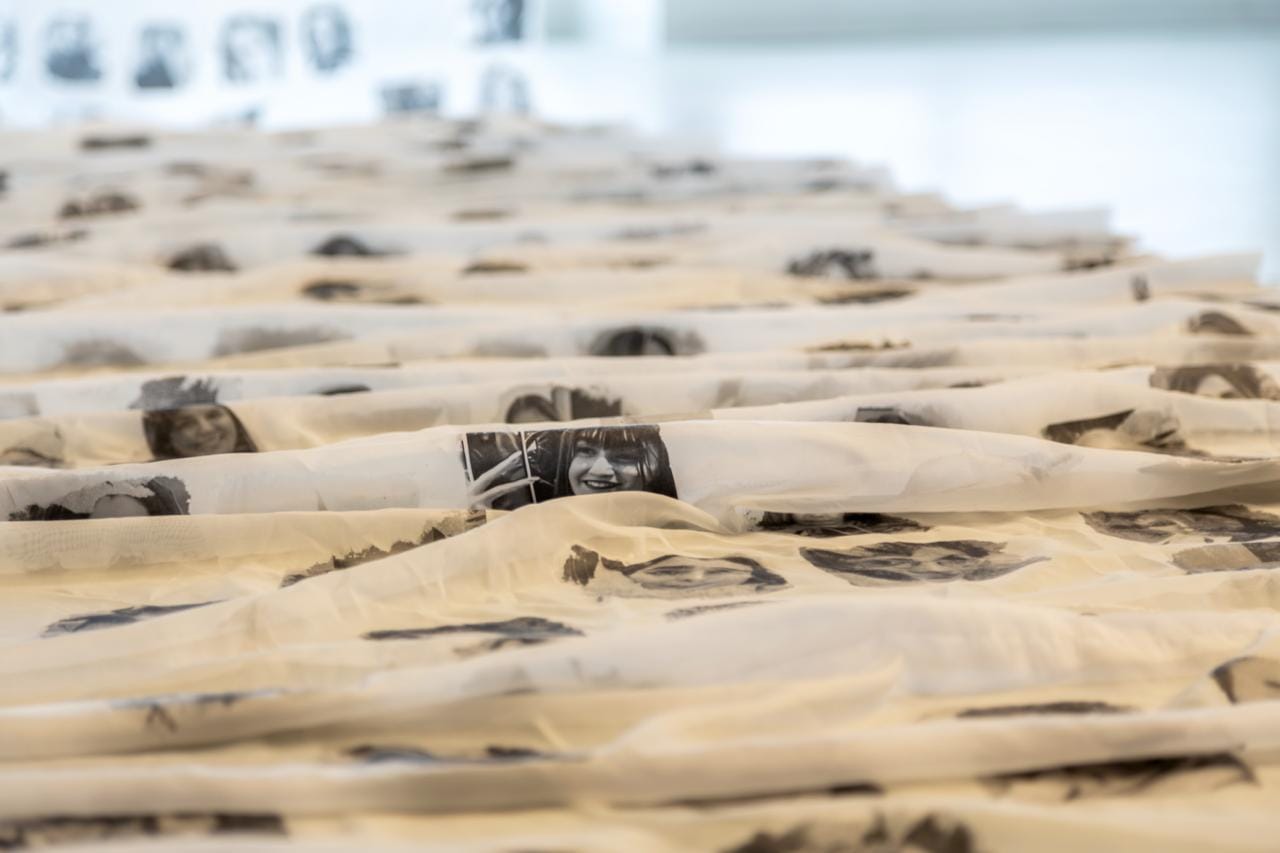
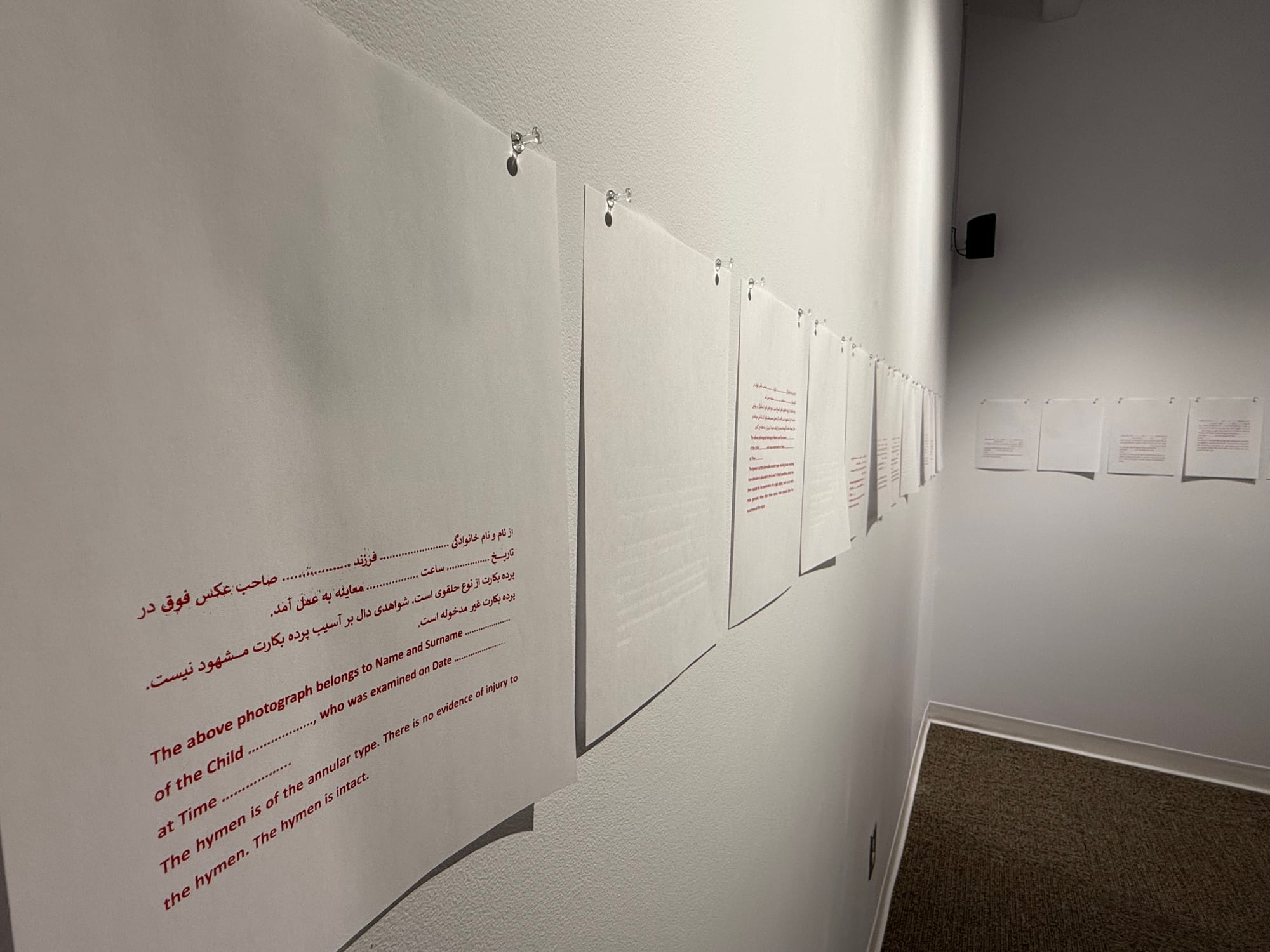
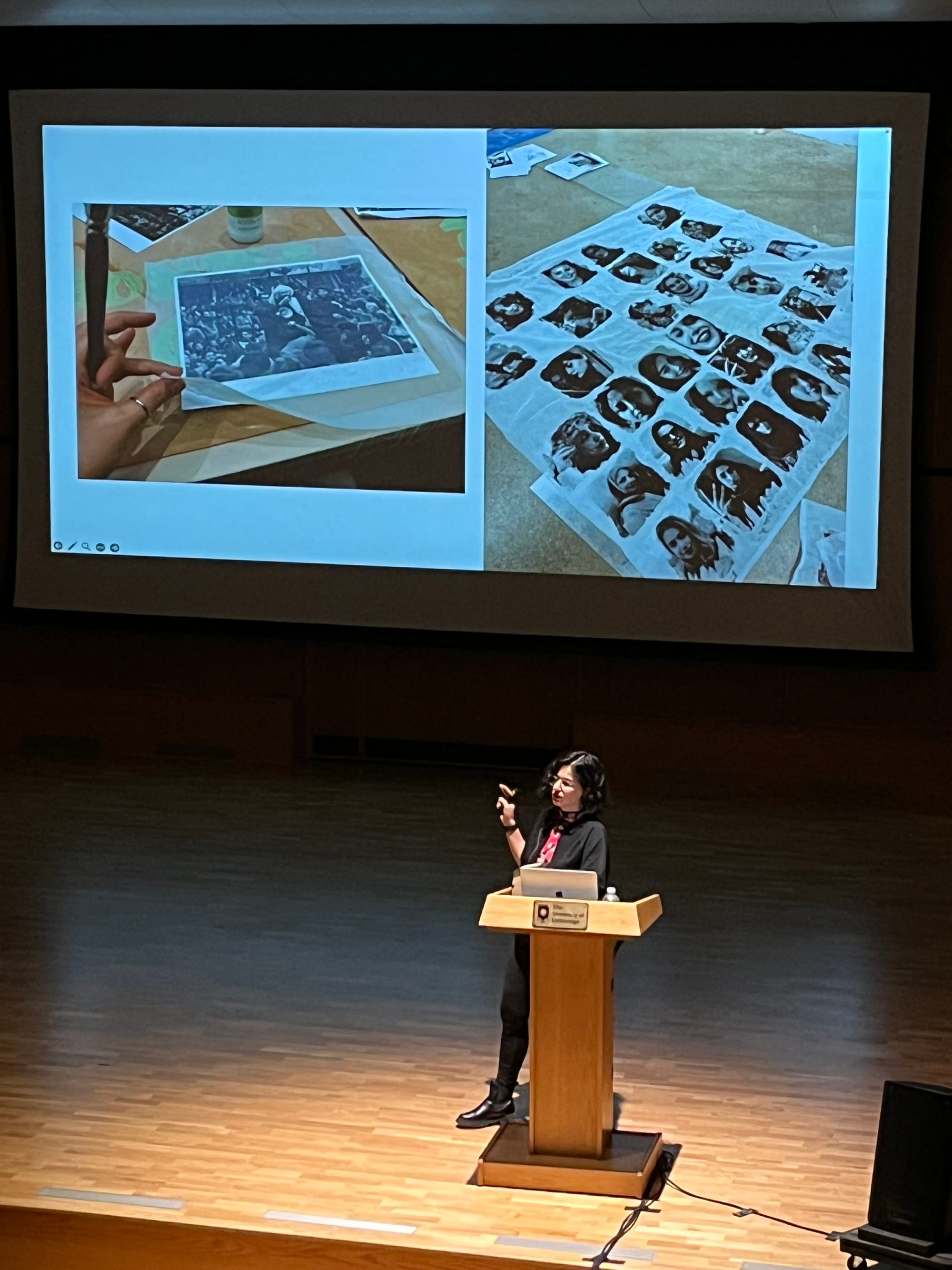
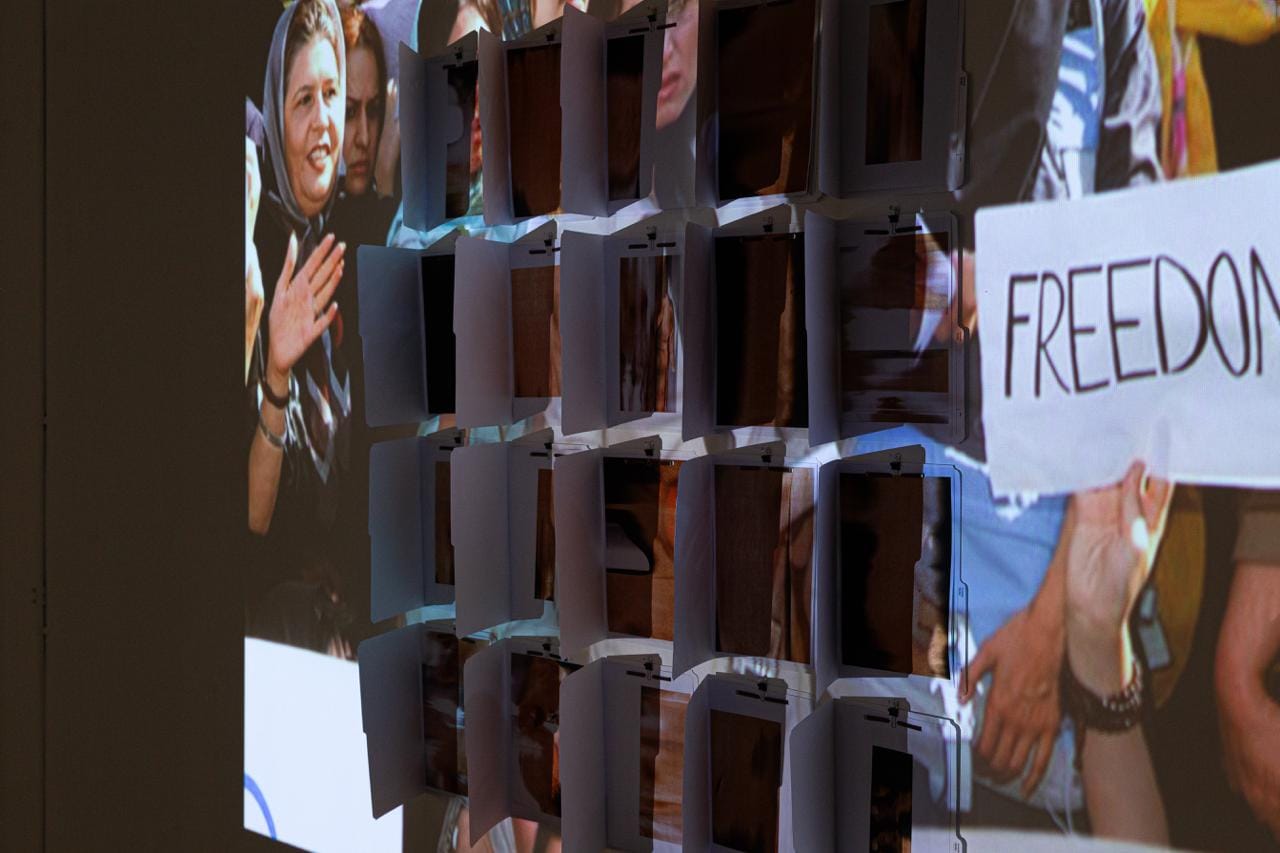
My thesis, What Remains, explores how images of Iranian women that circulate online, many of them low-resolution, fragmented, and at risk of deletion, can be transformed into physical, spatial work. I drew on social media images, protest documentation, and personal photographs, and worked with them through cyanotype, photo transfer, scanning, ceramics, and installation, letting loss and material instability remain part of each piece.
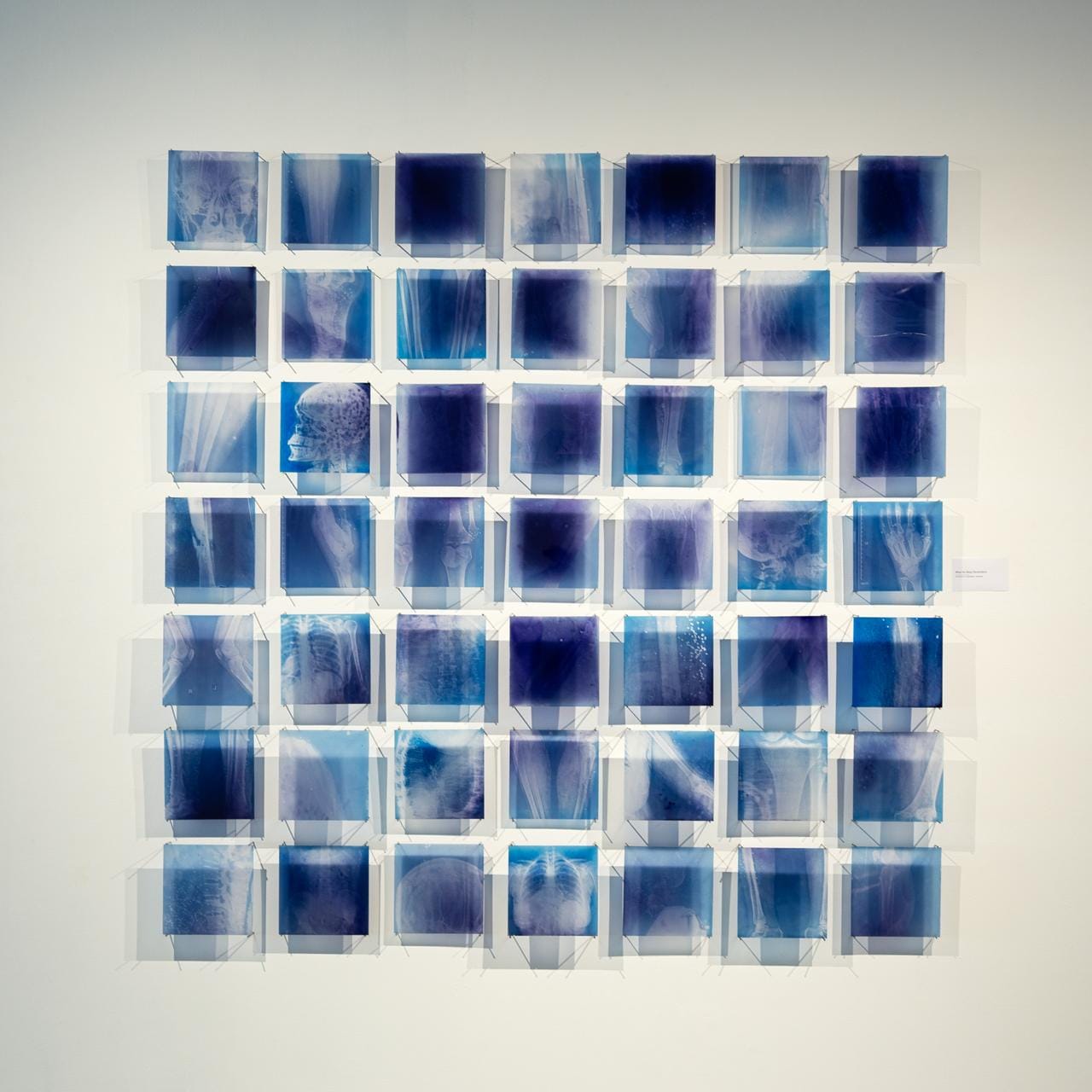
A central question was how to engage memory and bodily experience without reproducing violence as spectacle. For example, I worked with X-rays instead of photographs of wounded bodies, and with portraits of women while they were alive instead of images of their deaths. The result was an exhibition at the Penny Gallery that functions as a memorial and an archive, built to outlast the platforms the images came from.
What inspires your creative practice?
My practice is inspired first by the women whose images I work with: women who, under every pressure, have kept insisting on their presence in public life, and the families who ask that their daughters' names and faces not be erased. Their courage and their insistence on being remembered shape both what I make and how carefully I make it.
I'm also drawn to the traditions I grew up with, such as the woven protective hangings of western Iran, and to the way materials carry meaning through the hand: fabric, clay, water, and light. Artists like Ana Mendieta, Christian Boltanski, Alfredo Jaar, and Sally Mann, who work with absence, trace, and loss, have been important companions along the way.
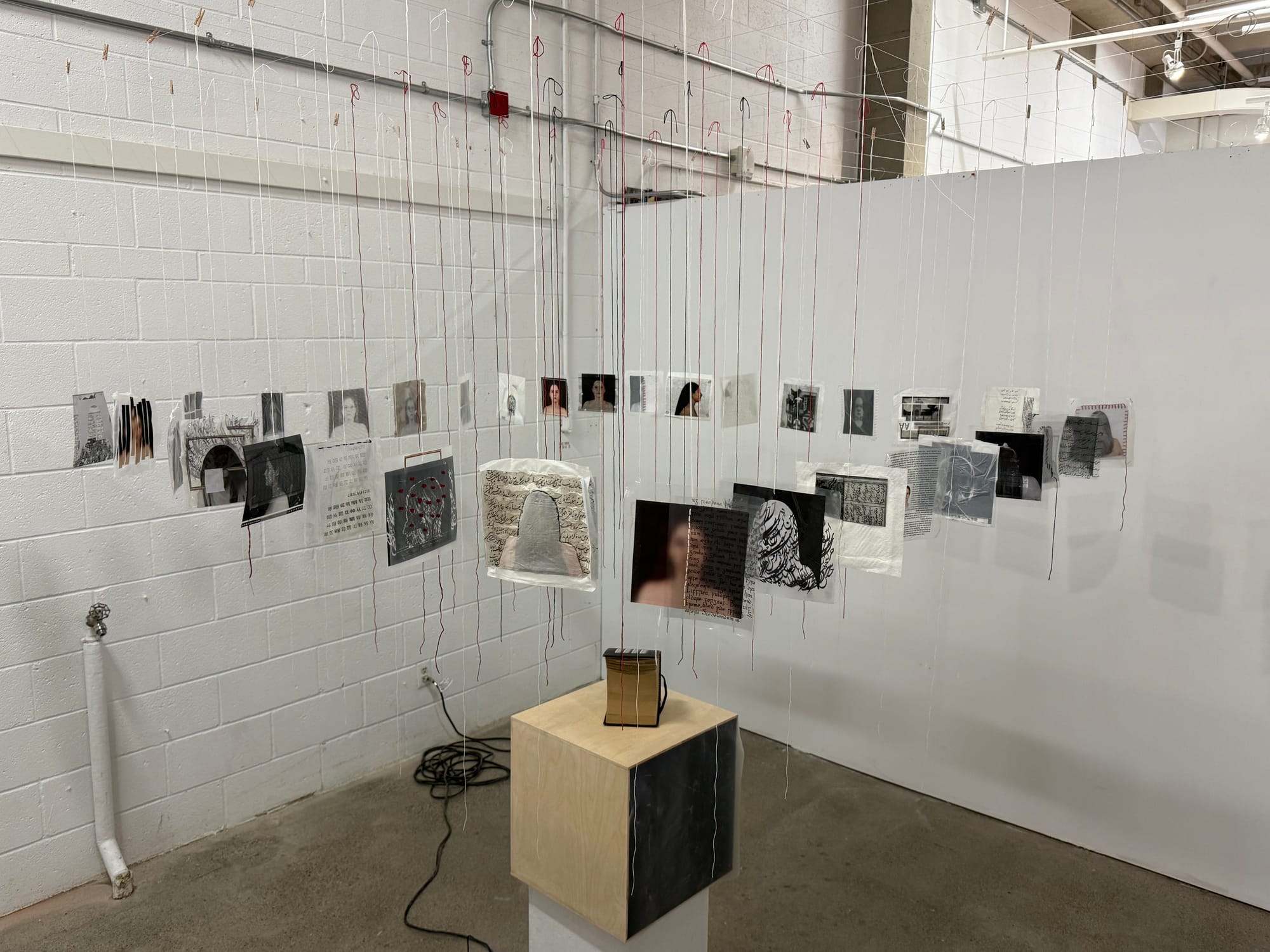
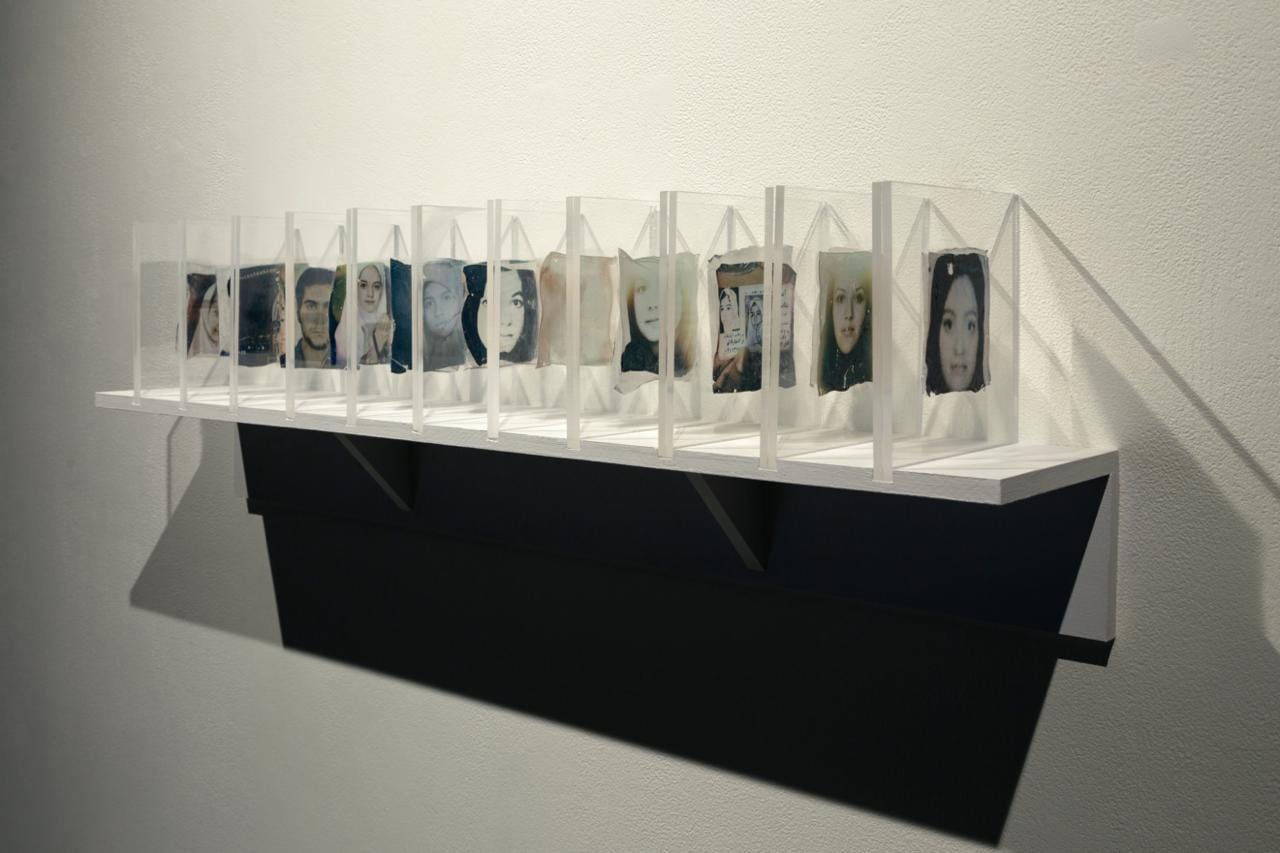
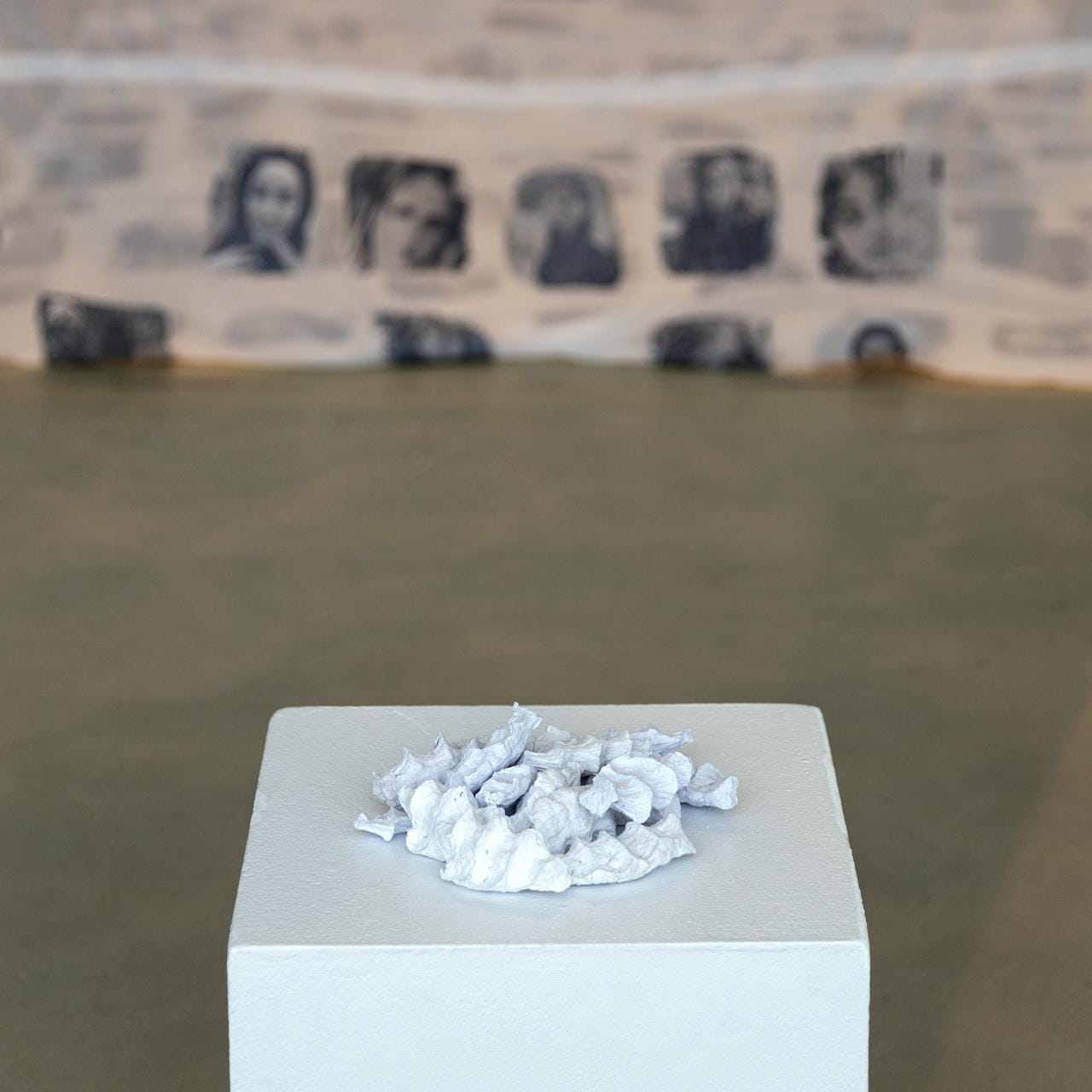
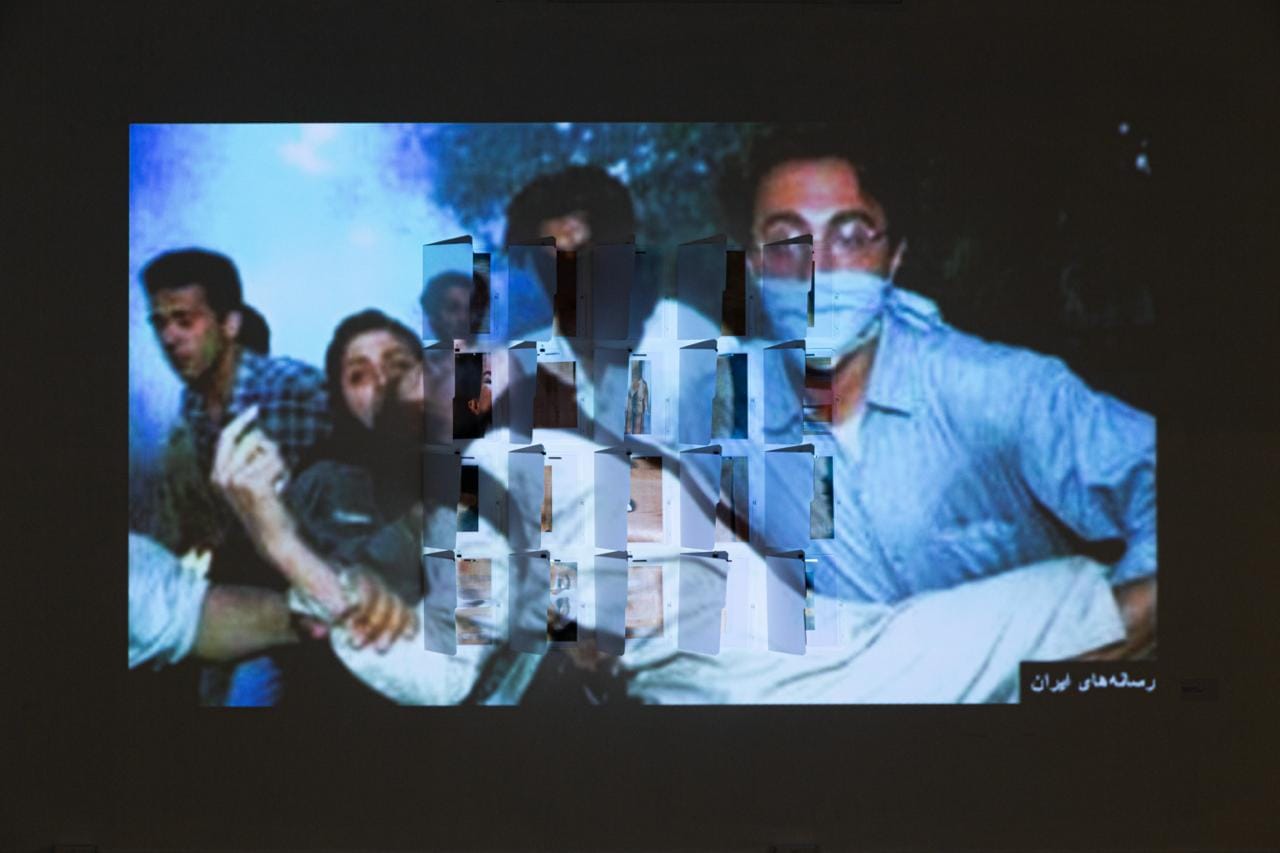
Photos courtesy of Nahid Pouzesh.
What has been a highlight of your graduate journey?
The highlight of my graduate journey was the community around me. The art department was warm, friendly, and genuinely supportive, and it made me feel at home even though I was far from my own. The faculty took my ideas seriously and backed them, even when the work was heavy and still taking shape, and I had the freedom to follow my ideas wherever they led. That trust made it possible to take real risks in the studio. Seeing the project come together in the exhibition, among people who had supported it from the start, was the best part of the whole journey.
How have your professors or instructors impacted your education?
My professors shaped both what I make and how carefully I think about it, and each gave me something different. My supervisor, David Miller, played a very positive role in moving my work forward. He was always approachable and willing to listen, and his feedback helped me stay focused while giving me confidence in my ideas and artistic direction. Mary Kavanagh offered thoughtful critique and kindness through difficult and joyful moments alike. Annie Martin was warm and open whenever I reached out, and Denton Fredrickson was dedicated and generous with his support. Dr. Jessica Jacobson-Konefall's friendship, interest in my work, and steady enthusiasm stayed with me throughout the writing of my thesis.
Their questions pushed my work further than I would have taken it alone, especially about the ethics of working with images of the dead. Just as important, they treated me as an artist with something to say, and that made me braver in the studio.
How did scholarships and awards support you during your education?
I was fortunate to receive several awards and scholarships during my graduate studies: the University of Lethbridge Graduate Scholarship (2024), the Abbondànza Fine Arts Graduate Scholarship, the Roloff Beny Photography Award (2025), and the Southern Alberta Art Gallery Award at the Department of Art's Annual Student Awards (2026).
This support made a real difference. A project like What Remains depends on materials such as plexiglass, cyanotype chemistry, ceramics, and fabric, and on long stretches of experimentation in which many tests fail. The funding gave me the freedom to take that time and to keep working without compromise. It also meant a great deal to be recognized by the department and by the photography community for work that is personal and difficult for me. It encouraged me to keep going.
Tell us about your experiential or work-integrated learning opportunities at ULethbridge and how these have enhanced your education?
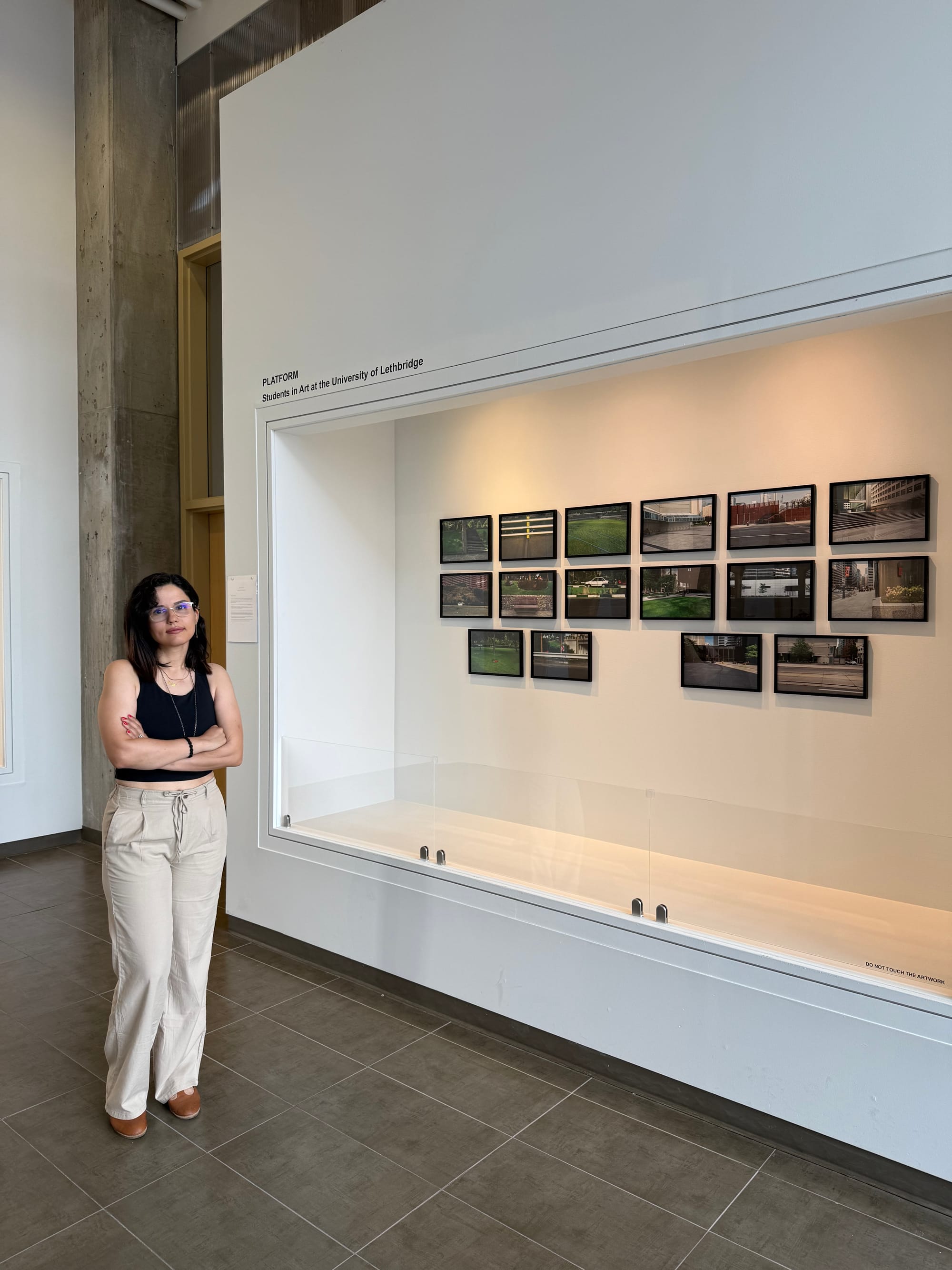
At the University of Lethbridge I worked as a teaching assistant for courses in Media Arts, Artist Book, Introduction to Art Making, Art History, and Studio Photography, and as a research assistant on the exhibition project, "Parallel: Artist-Run Centres on the Prairies" and for Professor Jessica Jacobson-Konefall. I also served as the Department of Art's graduate student representative, coordinated events for the Art Society, and assisted with children's art workshops at the Southern Alberta Art Gallery.
These roles taught me how to explain my own practice clearly, how an exhibition is organized from the inside, and how to work with people at every level of experience. They also connected me to the wider art community in Lethbridge and across the prairies, and that community carried back into my studio work.
Photos courtesy of Nahid Pouzesh.
What do you hope to pursue and accomplish once you are finished your studies?
I hope to stay in this community and keep growing here. I want to keep making work about memory, visibility, and the ethics of images, and to exhibit it in different places across Canada, bringing What Remains and new projects to new audiences. I also love teaching, and I would like to build on my experience as a teaching assistant and instructor by teaching art.
Alongside that, I plan to continue my studies, my research, and my artistic projects, because for me these three have never been separate. I also want to keep working with community, as I have done here by organizing memorial gatherings and reviving the Persian Club, so that art remains a place where people can gather together.
What piece of advice would you give to future students?
The start of a project is always the hardest part, so take your first steps and don't be afraid of making mistakes. Some of my most important decisions came from tests that failed: images that washed away, transfers that would not hold. Give yourself permission to experiment, keep what the process gives you, and ask for help early. Your professors, technicians, and classmates want you to succeed. Trust yourself and your instincts, and work with love.
• Awards, scholarships & student supports
• Productions, exhibitions, concerts & more
• Applied studies, internships & a range of work experience
• Enhanced education opportunities locally, nationally and abroad
Get involved!