A significant figure in Canadian art history is the focus of Dr. Devon Smither's new book, Pegi Nicol MacLeod: Life & Work, published online through the Art Canada Institute.
Pegi Nicol MacLeod (1904-1949) was a painter whose bold, experimental works challenged the artistic conventions of her time.
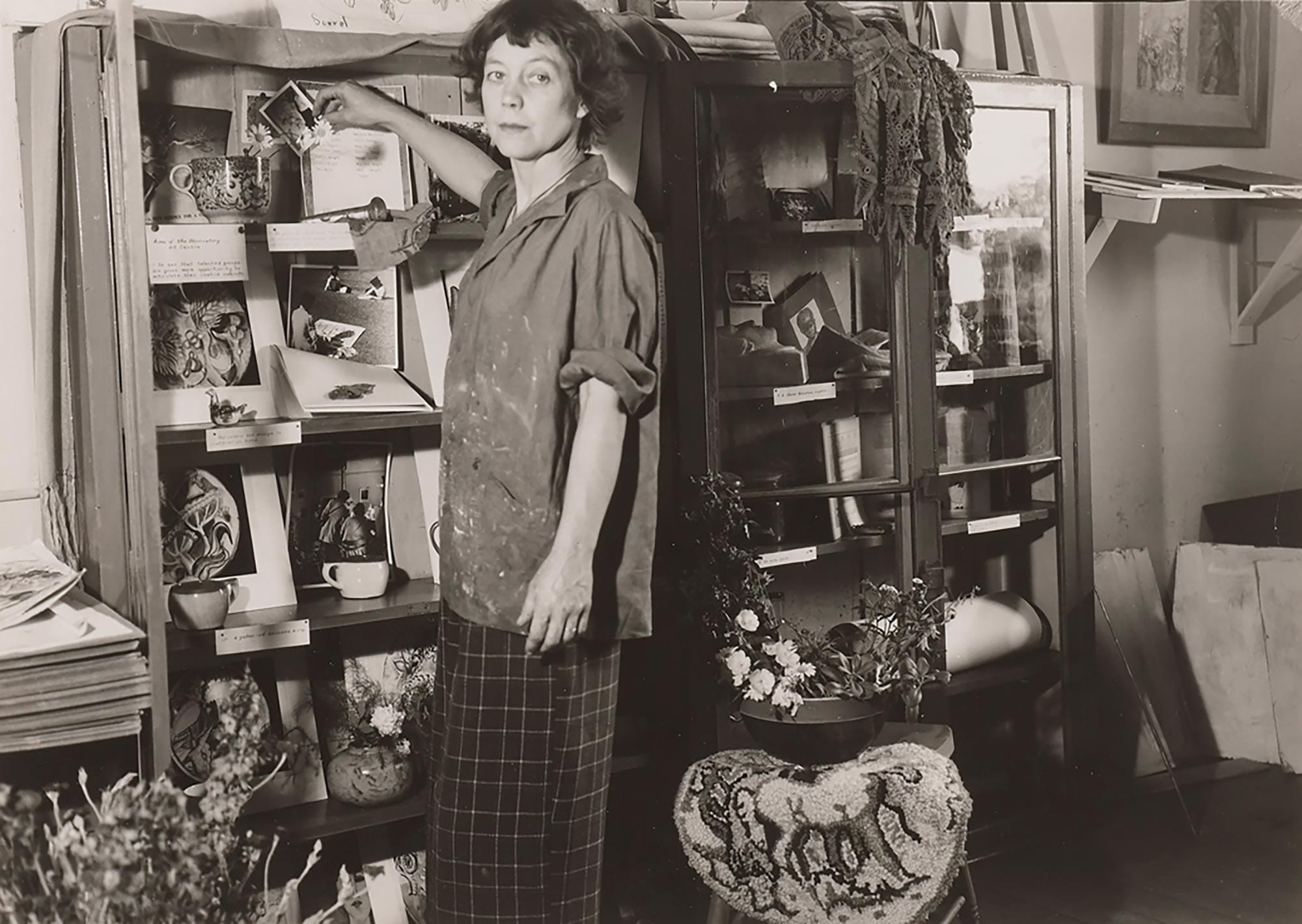
During the Second World War, she was commissioned to create artworks as part of the Canadian War Records program. Her work included a series depicting members of the Canadian Women's Army Corps as they trained, worked and lived on the home front. At a time when women were pushing against social and professional expectations through suffrage and second-wave feminism, Pegi forged her own path as an artist, refusing to be confined by convention.
In her book, Devon explores Pegi's career and her place as one of Canada's most forward-looking modernists.
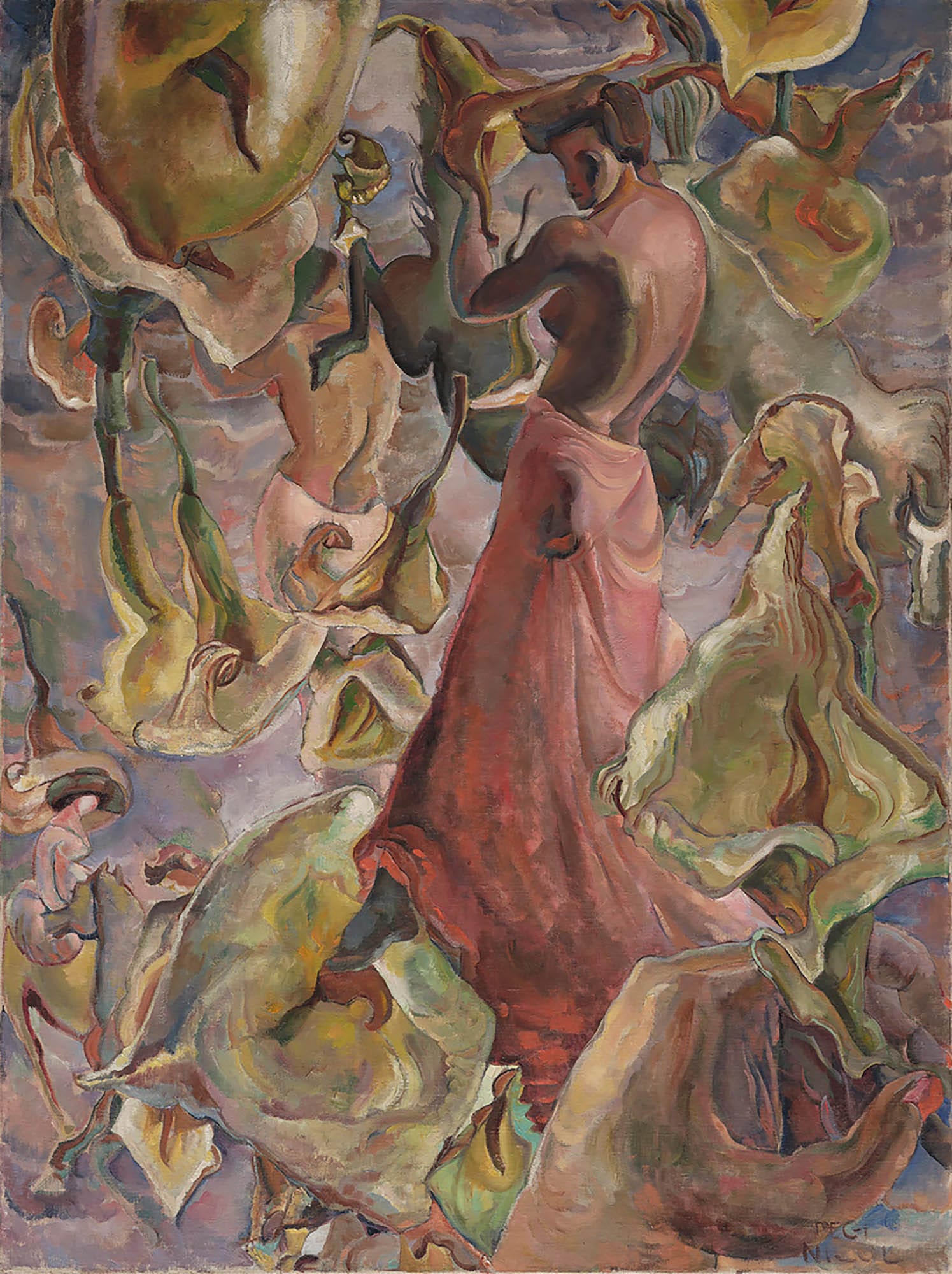
"A singularly progressive force in Canadian modernism, Pegi was a painter whose exuberance boldly defied creative conventions," Devon writes in the book. "In an era when the Group of Seven’s pioneering vision still loomed large in Canadian art, her bold and avant-garde works pulsed with life and a fluidity of form and reflected a sensibility that privileged motion and immediacy."
Devon was drawn to Pegi's work because of her radical creativity and fierce independence.
"She was an artist who refused to settle into a single style or conform to expectations about what a woman artist should be. Her story is important to revisit because she was a significant and highly original modernist whose work has too often been understood through the limitations of the art world around her, rather than on her own terms."
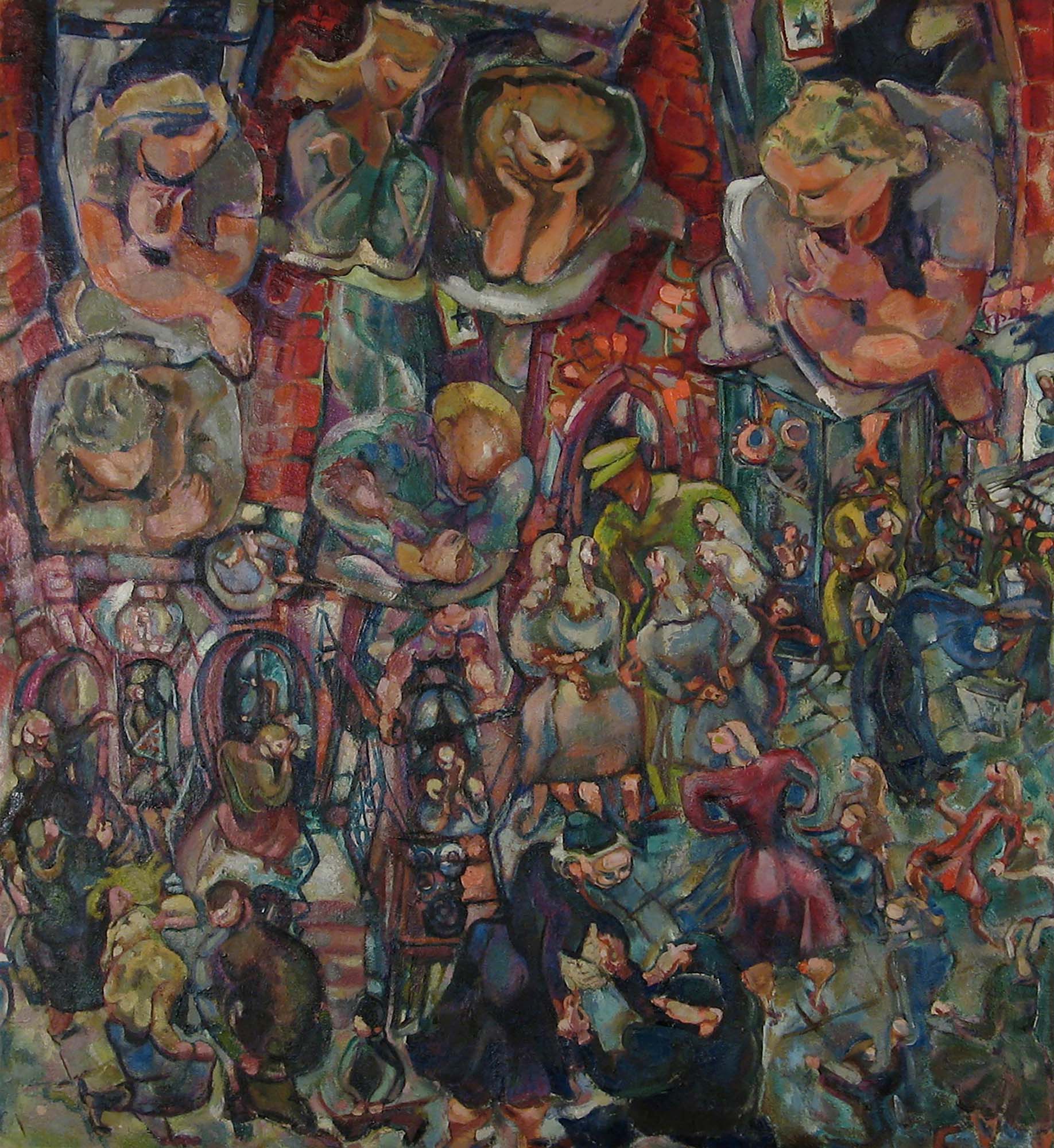
Her work is described as modern, expressionist and full of movement, with brushwork that is loose and energetic.
"Her compositions often feel as though they are in motion, and she used colour and line in remarkably inventive ways. At a time when Canadian art was still strongly associated with landscape and more restrained approaches to painting, Pegi found modernism in everyday life: in city streets, interiors, flowers, children, and the experiences of women during wartime," Devon adds.
"What can sometimes look unfinished at first glance is actually part of what makes her work so compelling: she was trying to capture movement, energy, and lived experience rather than simply describe what she saw."
Although Pegi's life was cut short at just 45, her willingness to experiment continues to make her work compelling.
"One of the things that is so wonderful about her is how consistently experimental Pegi was. She was constantly testing what painting could do," Devon says. "I was also struck by how often she transformed subjects associated with women’s domestic lives — flowers, children, interiors, everyday activities — into something dynamic and modern."
Pegi's story also offers an opportunity to reconsider whose work is recognized and remembered in Canadian art history.
"Artists who work outside dominant styles or expectations can be difficult to categorize, and that has particular consequences for women artists, whose work has often been judged against ideas about femininity, domesticity, or technical 'finish'. Revisiting artists like Pegi is not simply about adding another woman to the story, it can change art history itself," Devon adds.
For readers of the online book, Devon hopes they come away with a sense of Pegi as an artist who was entirely her own person — full of vitality, a sense of experimentation and a deep commitment to art making.
"More Canadians should know who Pegi Nicol MacLeod was. Her work is held in many of our major art gallery collections, and she deserves to be recognized as an important Canadian artist, as an artist who made a distinctive and lasting contribution on her own terms," Devon concludes.