Inspired by the connections and possibilities that can emerge from the classroom, Andreas Gateman's journey to becoming a teacher has been fuelled by a desire to create welcoming spaces for students.
I want my classroom to be a space where students feel safe to ask questions, make mistakes, and explore ideas without fear of judgment. When students feel a sense of belonging, learning becomes more meaningful and sustainable. I also believe that good teaching invites creativity and connection. I hope to be the teacher who models curiosity, humility, and care, showing students that learning is a lifelong process and that their voices do truly matter.
Andreas Gateman (he/him)
Hometown: Okotoks, Alta.
Program: Bachelor of Arts and Bachelor of Education | Majors: Sociology and Social Studies Education
Why education? Tell us what inspired you to become a teacher.
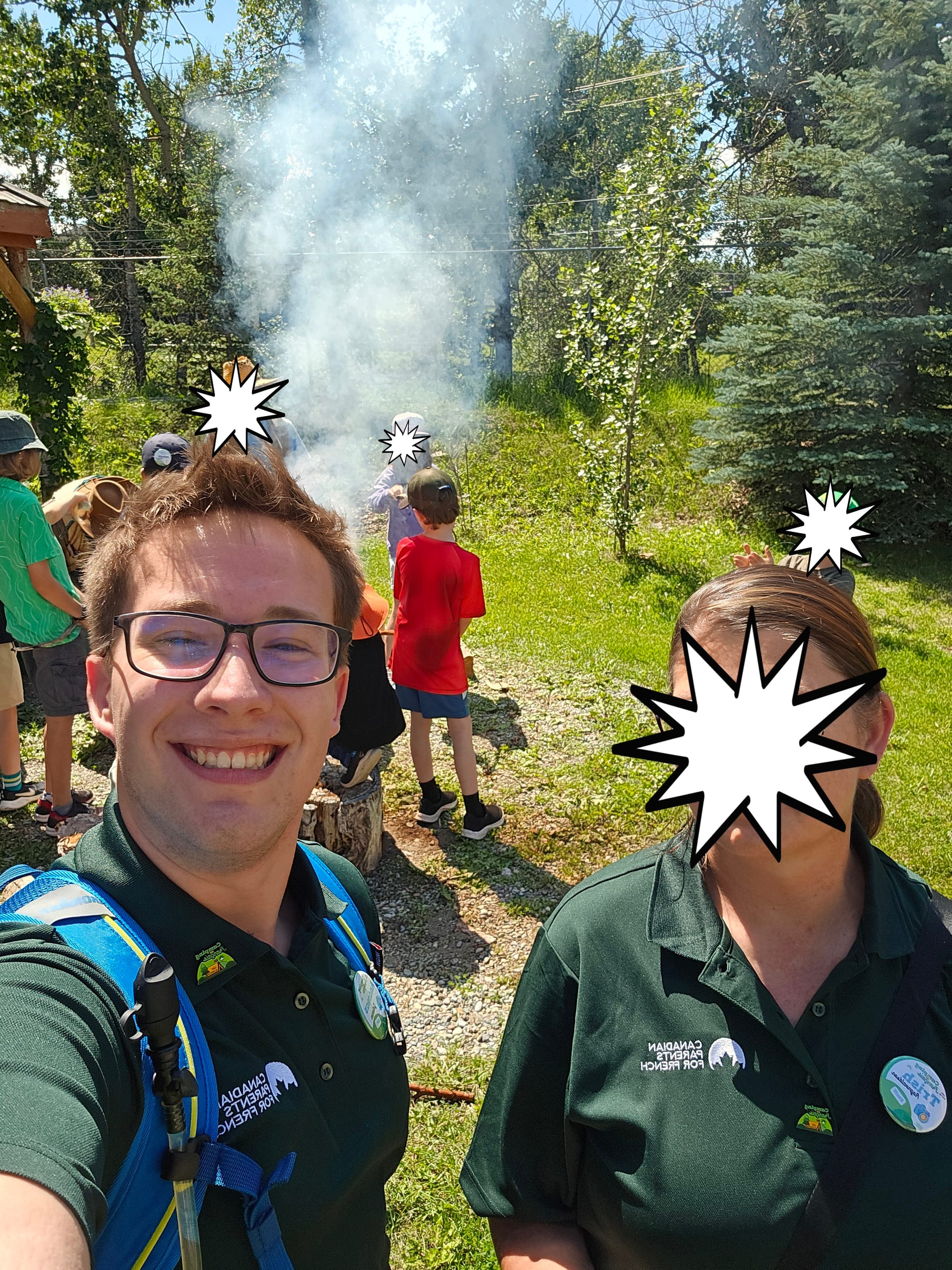
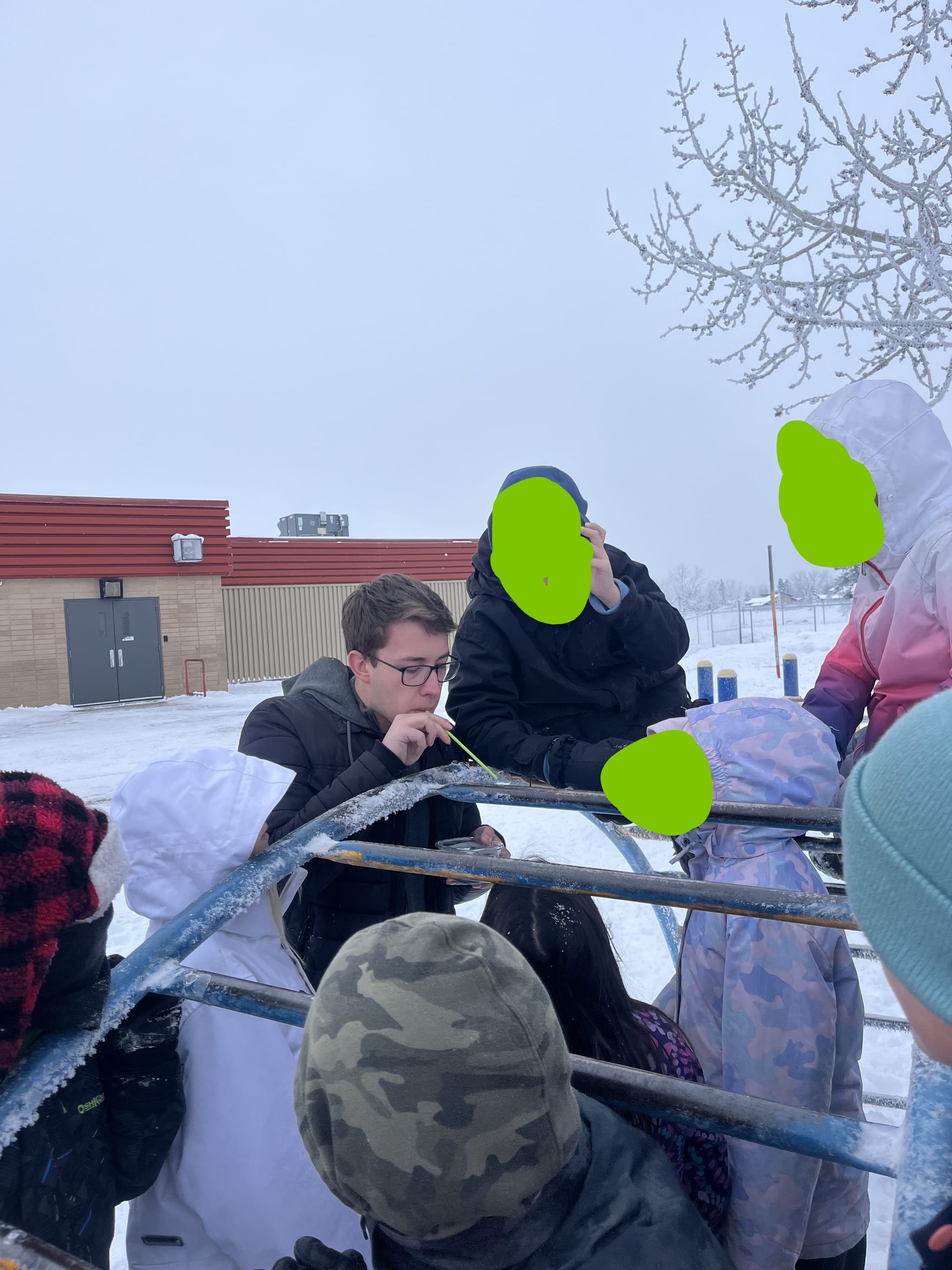
For me, education is about relationships, storytelling, and care. I didn’t come to teaching because I had a single “aha” moment, but because I kept noticing how powerful learning can be when people feel seen, supported, and invited into curiosity. Throughout my studies and community work, I’ve been drawn to spaces where learning happens beyond the classroom, whether through conversation, place-based experiences, or shared inquiry. Whether I’m designing interactive walking tours, supporting younger students through tutoring, or working with community organizations, I’ve seen how education can open doors when it’s grounded in respect, joy, and accessibility.
I’m inspired to become a teacher because I believe classrooms can be places of connection and possibility. I want to create learning environments where students feel safe to ask questions, make mistakes, and bring their full selves into the room. Teaching, to me, is not about delivering information, but about cultivating curiosity, empathy, and confidence and other skills that matter far beyond school walls.
What have you learned about teaching that's surprised you or excited you through your journey in the Faculty of Education?
One of the biggest surprises for me has been how much teaching is actually about listening. I came into the Faculty thinking that strong teaching meant being well-prepared, knowledgeable, and personable. While those things do matter, I've learned that some of the most meaningful learning happens when teachers are responsive, flexible, and willing to learn alongside their students. I've also been excited by how creative and relational teaching can be. Through my coursework and practica, I've seen how lessons come alive when they are connected to students' lives, interests, and identities. Every student that walks through your door brings with them a host of experiences, beliefs, values, strengths, and challenges. As the teacher, it is not only your job to cover the material, but to bring the material to life in ways that make sense to every individual mind in the room. Perhaps most exciting, is that as an educator my learning is never finished. There's always room to reflect, adapt, and grow. The Faculty of Education has shown me that being a good teacher isn't about having all the answers, but about being open, thoughtful, and committed to learning for both myself and for my future students.
What does good teaching look like to you? Tell us about the teacher you strive to be.
Good teaching is relational, reflective, and rooted in care. It's not just designing that super engaging lesson or setting clear expectations, but about creating an environment where students feel respected, supported, and genuinely curious about the world around them. The teacher I strive to be is one who listens first, who takes time to understand students' experiences, strengths, and challenges, and adapts accordingly.
Tell us about any standout practicum experiences that have had an impact on your learning.
During my first professional semester, I quickly learned that planning is not everything. I remember one lesson in particular that just completely fell apart, with every possible thing that could go wrong going wrong. In this profession, no two days look the same, and I soon learned that responsiveness and flexibility were just as important as planning. What is important, is sitting down after that lesson and taking the time to think about how the lesson went, and how it could be improved next time. These practicum experiences pushed me to reflect deeply on my own teaching practice. They reinforced the importance of building relationships, honouring diverse ways of learning, and remaining open to growth. Most importantly, they confirmed for me that teaching is a collaborative process. Those lessons continue to shape the kind of educator I strive to become.
Why did you choose the University of Lethbridge for your post-secondary education journey?
I chose the University of Lethbridge for several reasons. The relatively small campus and class sizes create a space for meaningful conversations, direct learning opportunities, and strong connections with professors. The Faculty of Education also has a well-earned reputation as one of the strongest programs in Alberta and Western Canada. I was drawn to its emphasis on practical experience and field-based learning.
On a more personal level, the University of Lethbridge has long been part of my family's story. My parents and both of my older sisters studied here, and choosing ULethbridge felt like continuing a bit of a legacy while choosing my own path too. That sense of belonging, combined with the strength of the program, made the university feel like the right place for my post-secondary journey.
Tell us about a challenge you've faced during your time as a student. How did you overcome that challenge and what advice would you give to future Faculty of Education students?
One of my biggest challenges was adjusting to the demands of post-secondary life while balancing academics, work, volunteering, and personal responsibilities. The transition from high school required new levels of independence, time management, and self-discipline. You definitely quickly learn stronger study habits, learning to manage my time and finances more intentionally, and becoming more comfortable asking for support when needed.
Don't be an island. Make as many connections as possible during your time here because it will be gone before you know it! Go and talk to your profs after class. Talk to your classmates and engage in every learning opportunity that comes your way. This is your time to branch out, experiment, have fun, and most importantly, to learn and grow! The friends that you make along the way throughout post-secondary, will be with you through the highest highs and lowest lows.