The future of health care in southern Alberta will depend on more than training physicians. It will require strong community partnerships, meaningful research and opportunities that encourage future doctors to build their careers in the region.
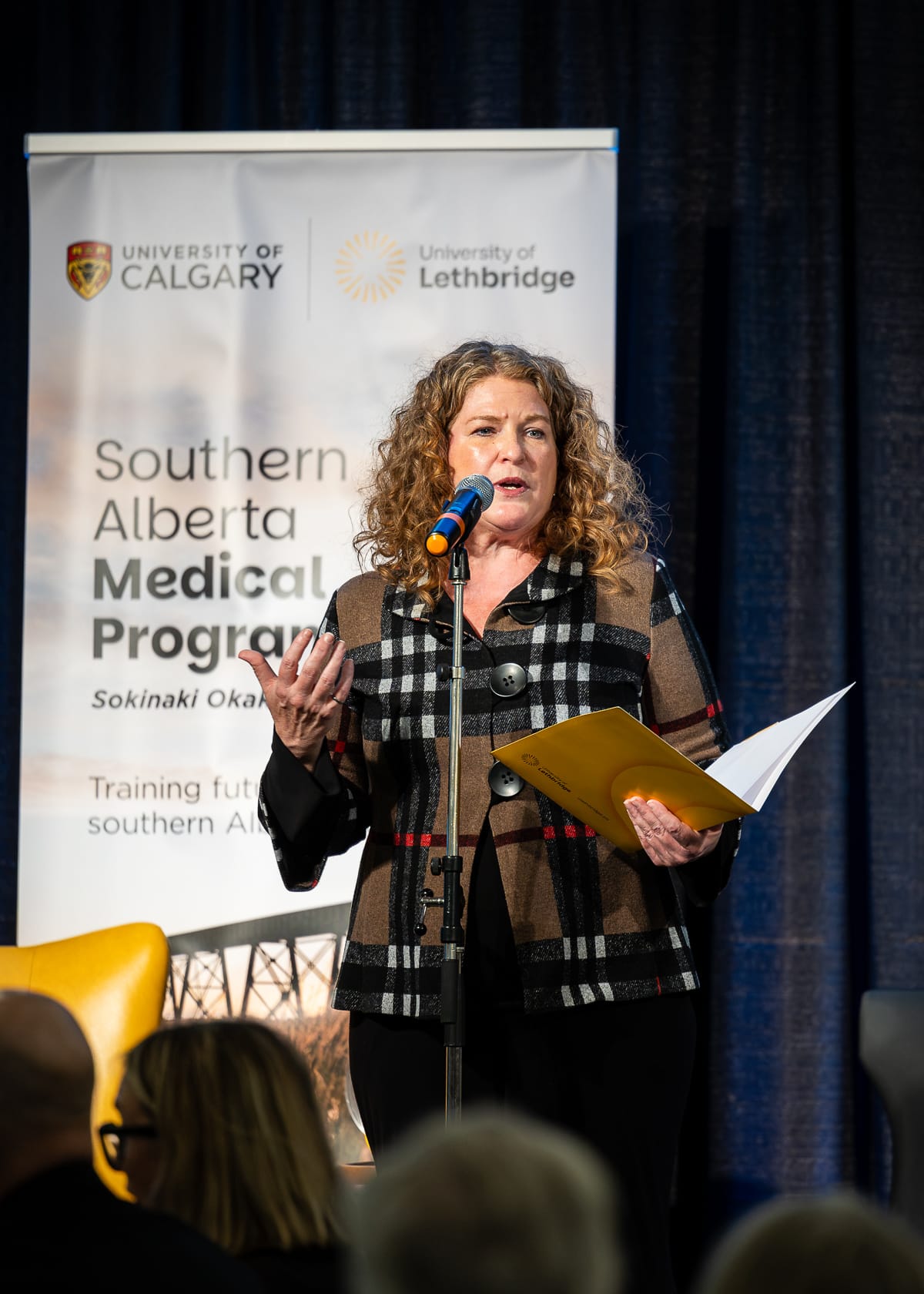
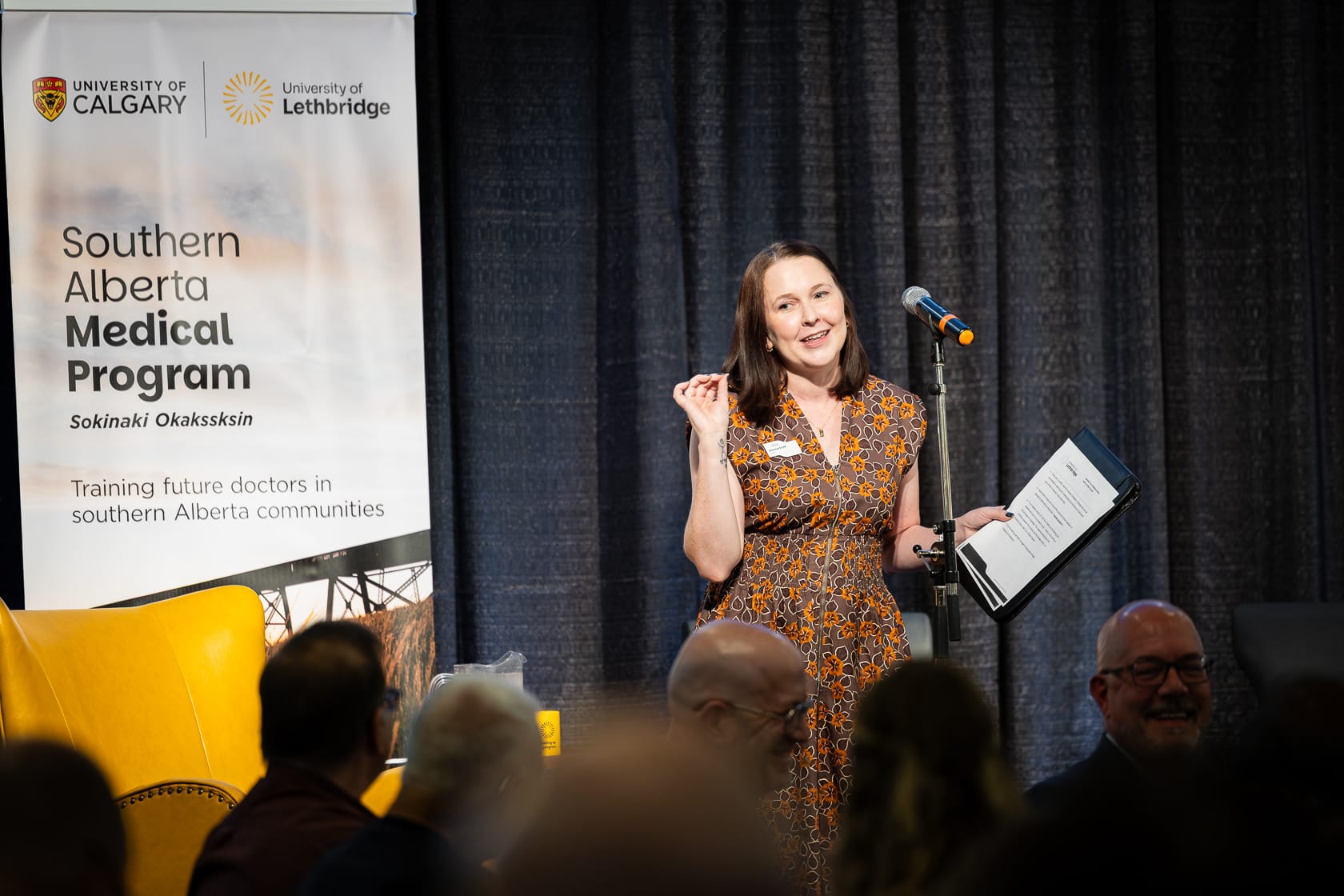
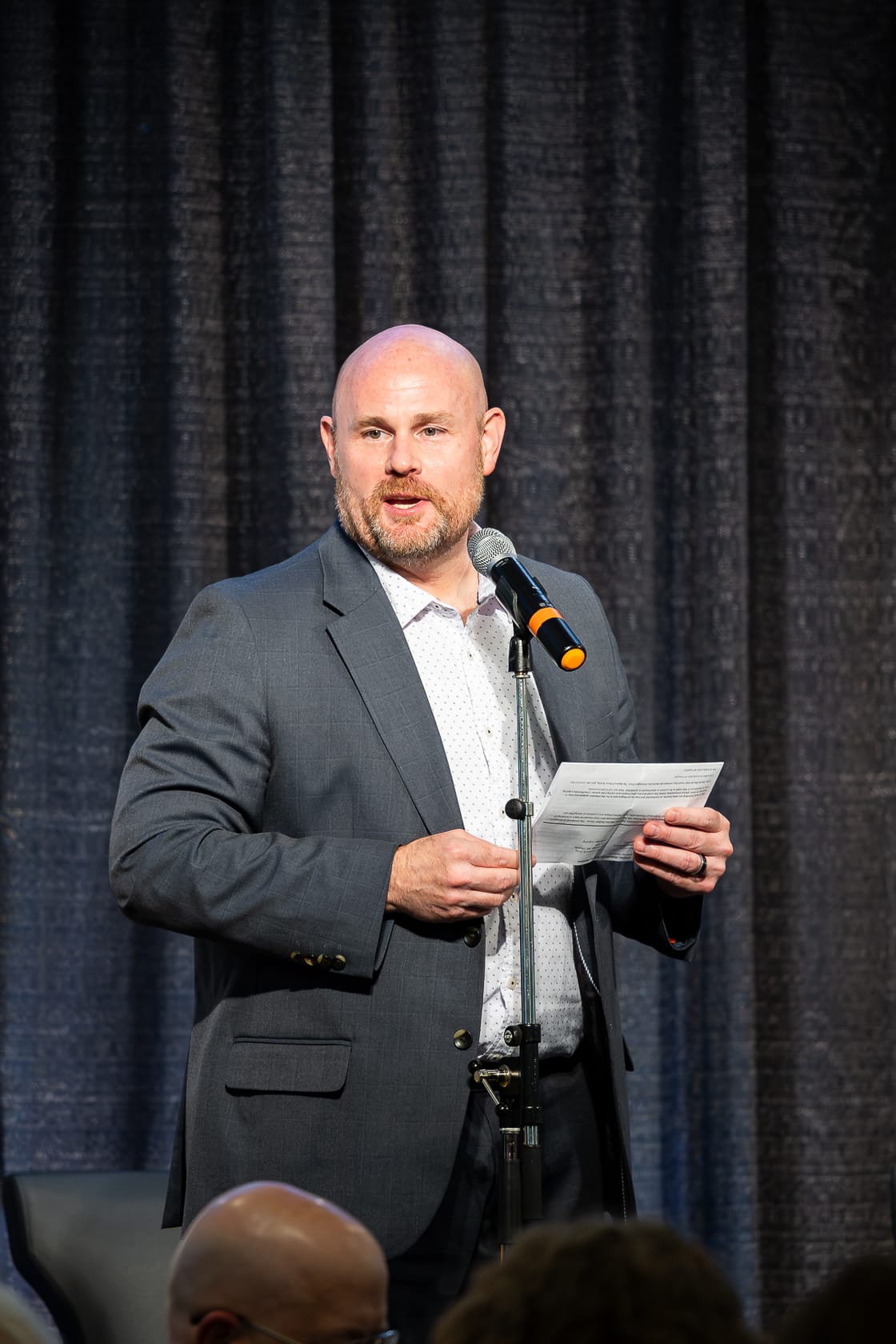
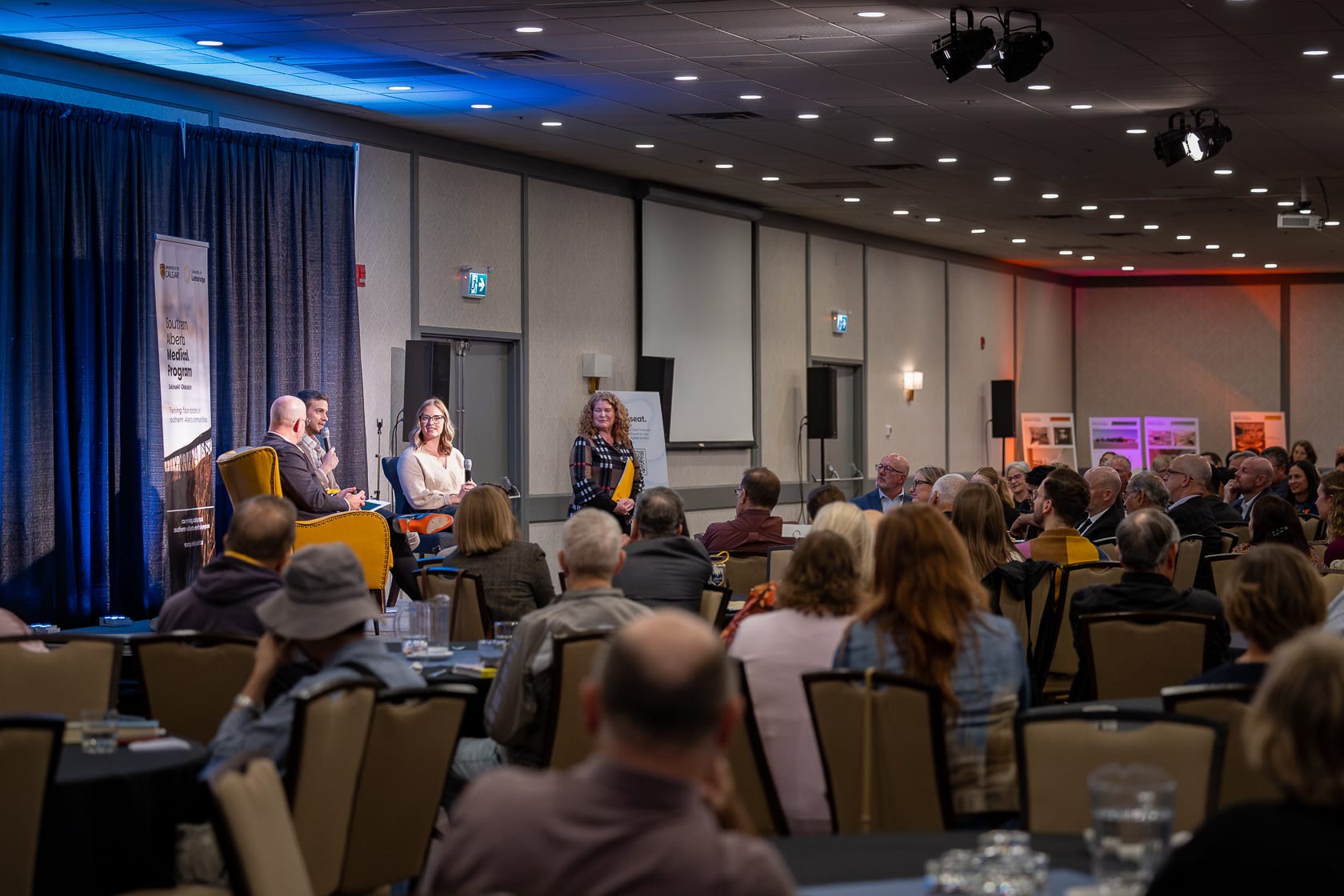
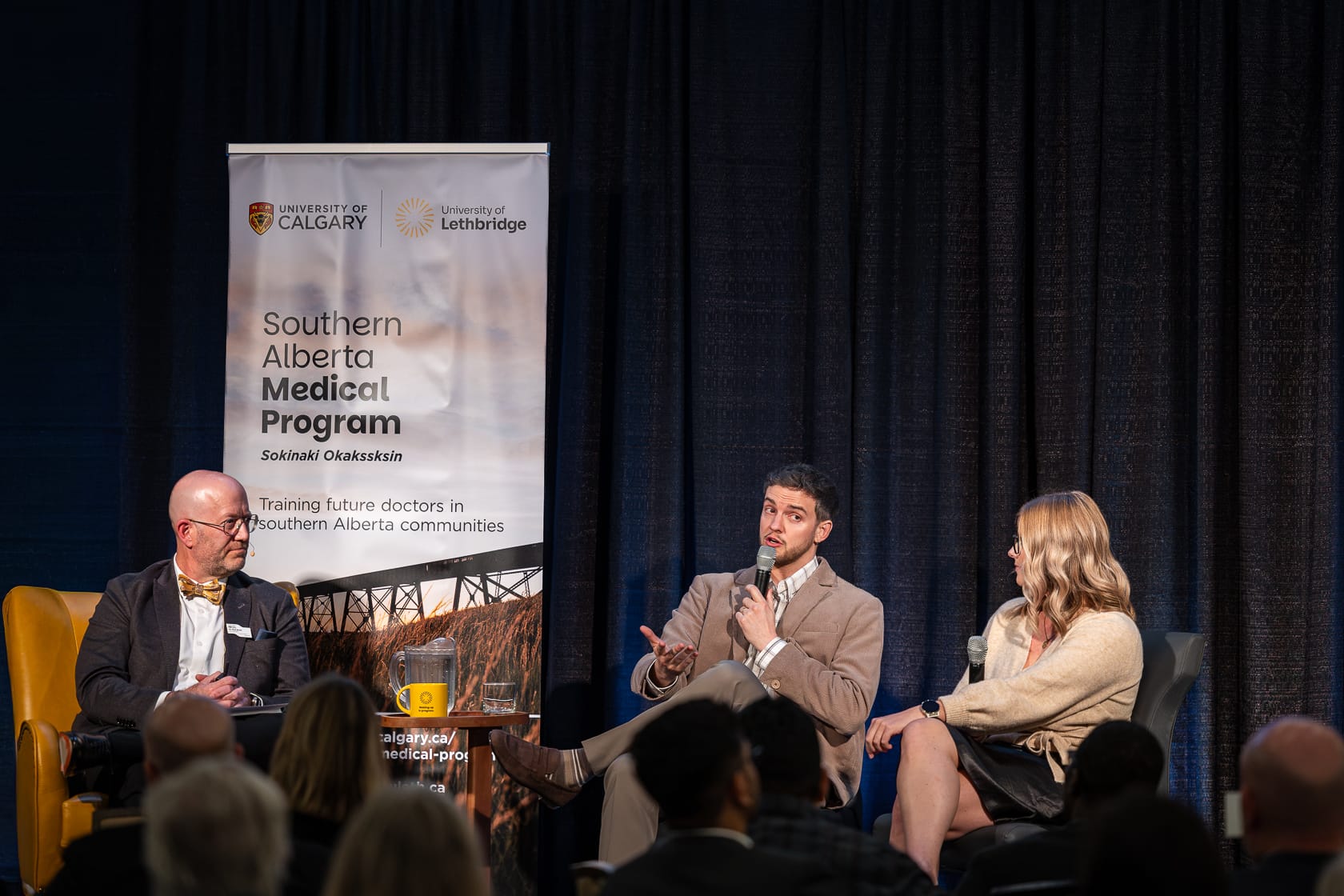
Those themes were at the heart of a recent Public Professor Series event hosted by the University of Lethbridge, where community members gathered to learn more about the Southern Alberta Medical Program (SAMP) and its potential impact on health care across the region.
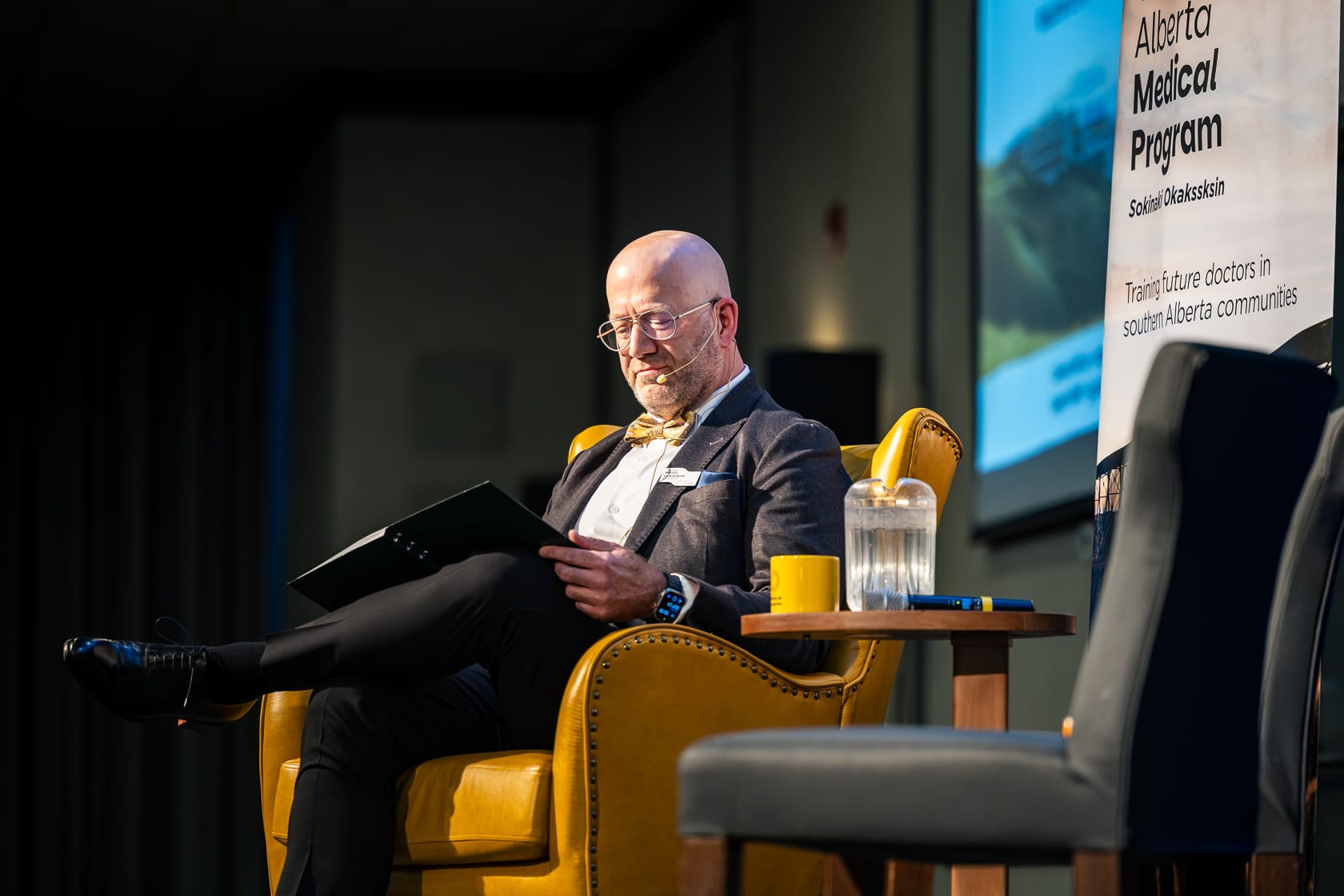
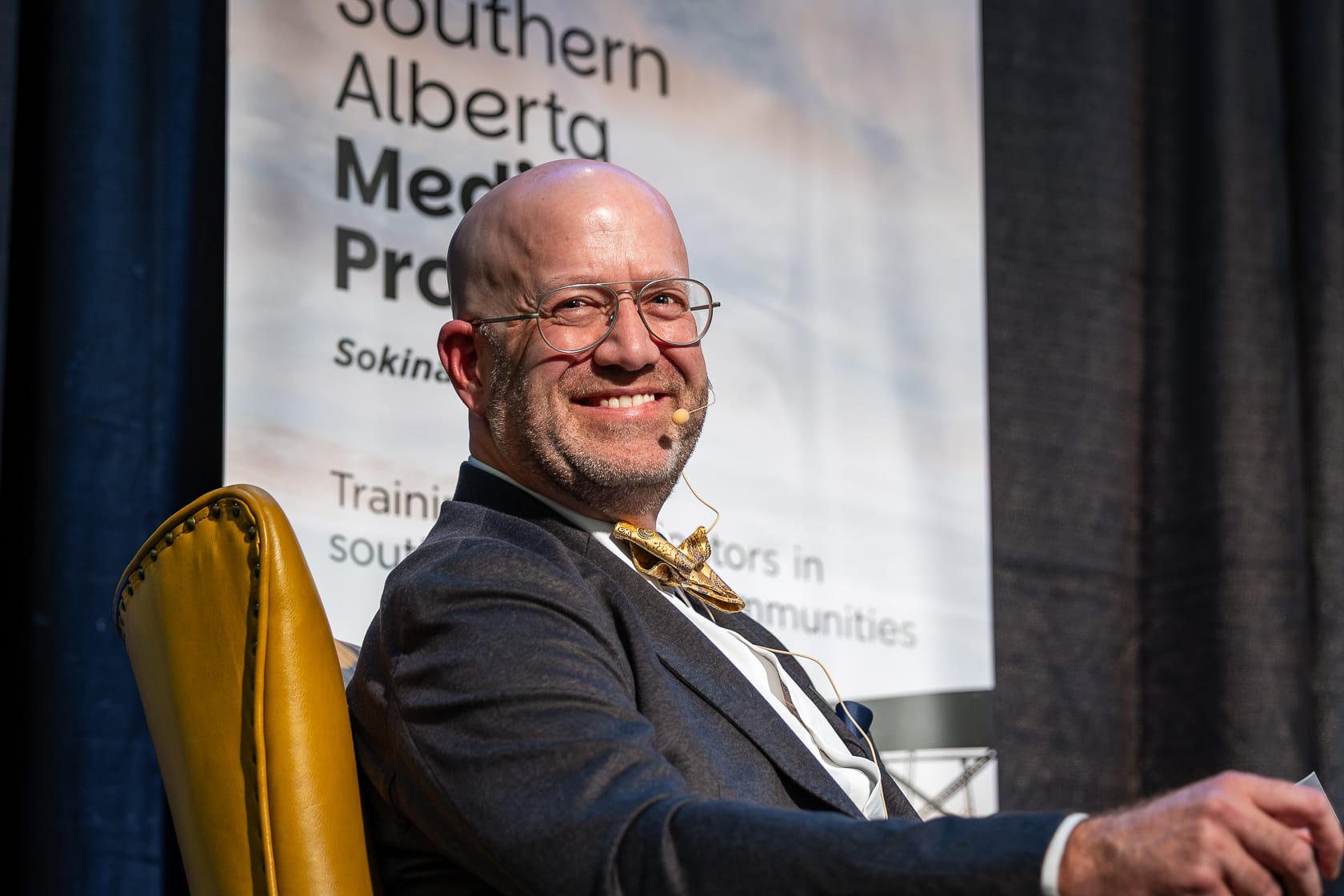
Dr. Rick Buck, inaugural associate dean of SAMP, was joined by Dr. Ashley Rommens, Director of Faculty Development and Experiences for SAMP and a rural family physician in Pincher Creek, and Dr. Jonathan Cluett, a Lethbridge obstetrician and gynecologist and SAMP pre-clerkship instructor.
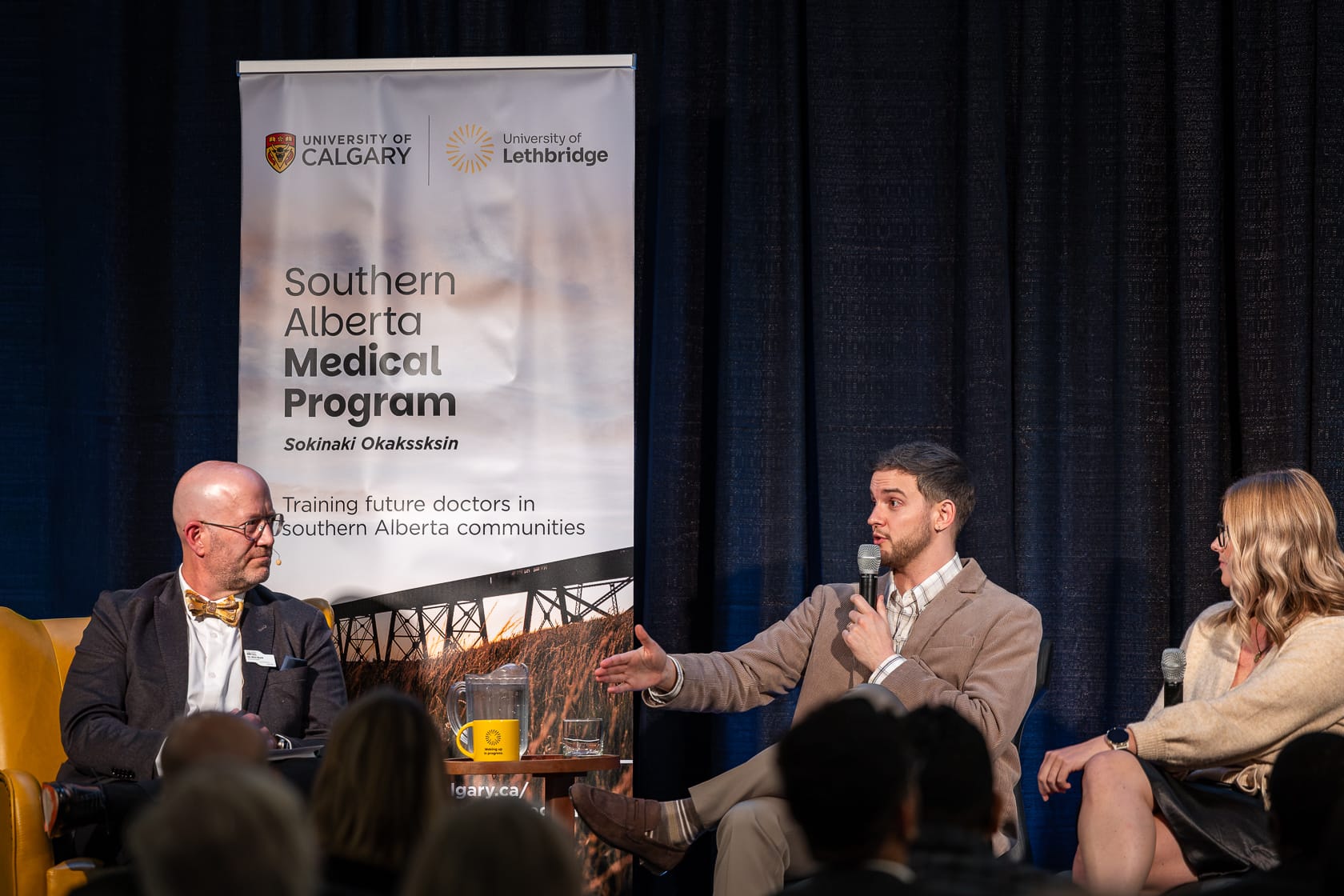
At the centre of the discussion was the belief that strengthening health care in southern Alberta will require the participation of communities across the region.
"This is not a SAMP project. This is not a University of Lethbridge project. This is a southern Alberta project," said Cluett.
The panel explored how distributed medical education can help address regional health-care needs by training future physicians closer to home while building connections between students and the communities they may one day serve.
"The thought is, we'll recruit local and train locally. Hopefully, these students will stay local," said Buck.
For Rommens, the ultimate goal is simple: improving access to care for people throughout the region.
"I would love to see that every person in southern Alberta has a family physician," she said.
While physician education is central to SAMP's mission, the speakers emphasized that communities also play an important role in attracting and retaining physicians. Creating opportunities for medical learners to engage with local residents, organizations and health-care providers can help foster a sense of belonging and connection.
"It's not just getting the students to go do a rural rotation. It's that they need to feel, 'I want to go live in that community,'" said Rommens.
She noted that one of the defining characteristics of rural medicine is the close relationships physicians develop with both their patients and their communities.
"The one thing that's unique to rural medicine is the relationships you not only form with your patients, but also with the community," she said.
In many communities, those connections extend far beyond the clinic.
"You're treating your neighbours, you're treating your kids' teacher, and so you really feel embedded in that," said Rommens.
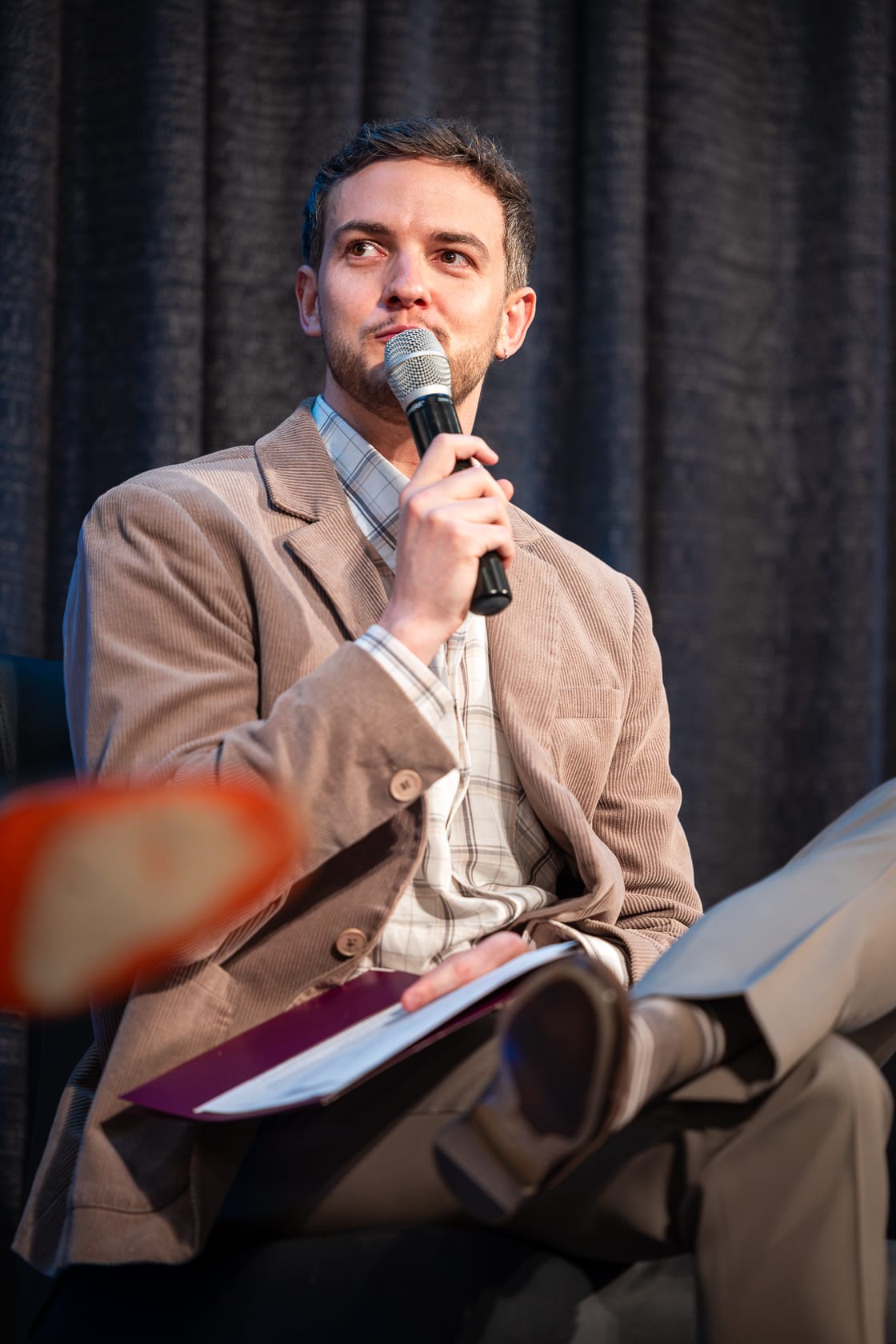
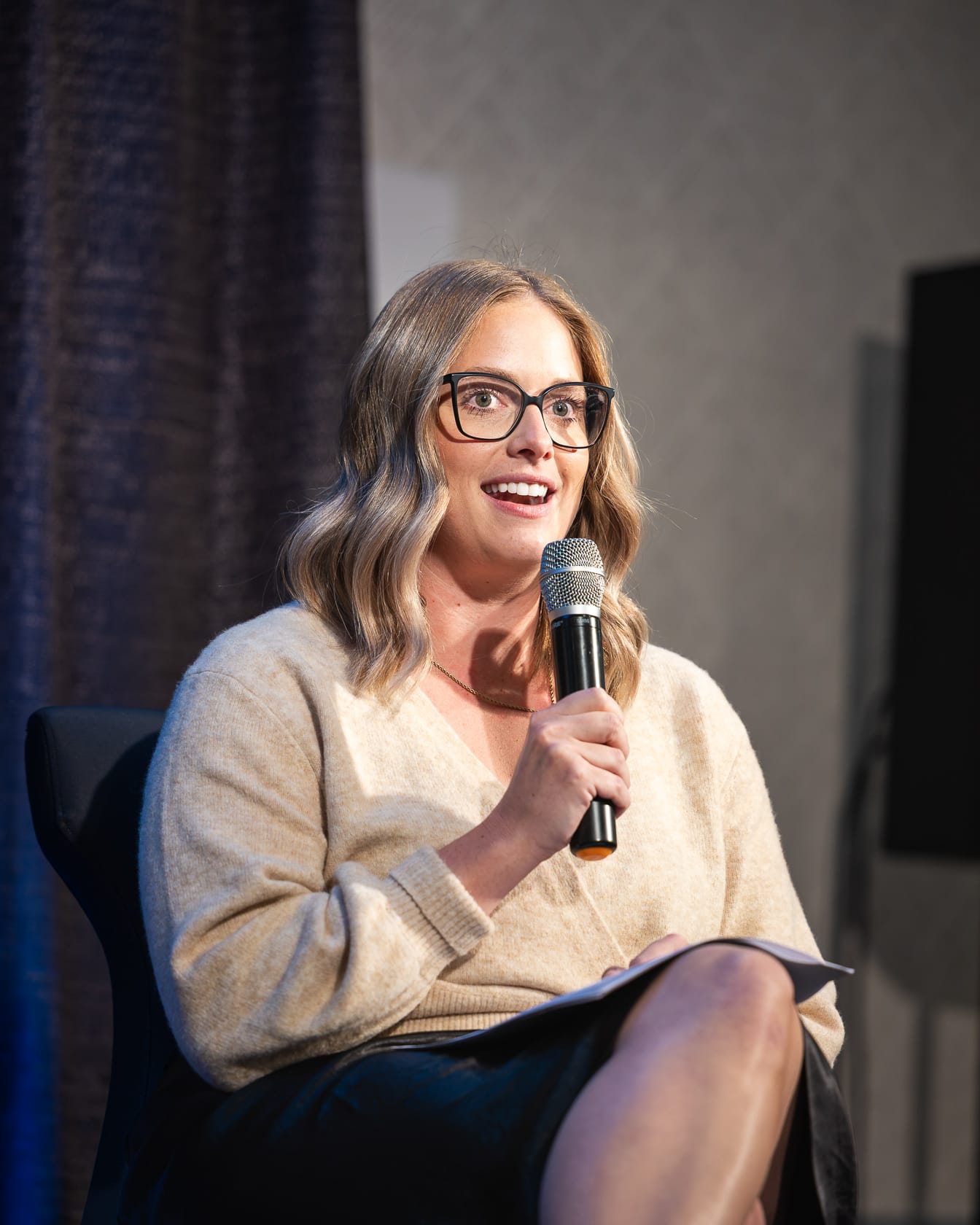
The panel also explored how SAMP could strengthen health research in southern Alberta by creating opportunities to better understand local health challenges and priorities.
"I would love to see research that is going to impact my community and the people who live there," said Rommens.
Cluett echoed the importance of research grounded in the experiences of southern Albertans.
"What are people's experiences here? What are the health outcomes here?" he said.
By connecting researchers, health-care providers and communities, SAMP has the potential to generate knowledge that improves health outcomes across the region while creating new opportunities for collaboration and innovation.
As the conversation concluded, the speakers expressed optimism about what can be achieved when communities, health-care providers and educational institutions work together toward a common goal.
For Cluett, the long-term impact extends far beyond a single program.
"The payoff is going to be incredible," he said.
Learn more about the Southern Alberta Medical Program
Watch the recording of Growing Our Own: How SAMP can transform health care and research in southern Alberta.
Support the future of medical education in southern Alberta.