The foundation laid in a child's first years of school can have a lasting impact throughout their education. The opportunity to focus on young learners through the Faculty of Education's Early Years program is one of the reasons Malayia Red Gun chose the University of Lethbridge to pursue her goal of becoming a teacher.
"I am passionate about being part of the foundational years of education and supporting young learners as they begin their educational journey, knowing how important these early experiences are in setting children up for long-term success," Malayia says. "The Faculty of Education’s emphasis on practicum-based learning and reflective practice aligned closely with my values and my learning style, and the new Early Years program was a perfect fit for me."
Malayia says her experience as a mother has deeply shaped her understanding of children, learning and care, and that her post-secondary journey has been shaped by resilience, responsibility and purpose.
"As an Indigenous woman and a mother, I carry my community, culture, and children with me in everything I do," she says. "Becoming an educator is not just a career goal for me; it is a way to contribute to healing and the creation of inclusive learning spaces where all children feel safe, valued, and capable of success."
Her sense of purpose and passion for her studies have been evident to those instructing her in the Faculty, with assistant professor Dr. Sandy Bakos noting her positive contributions in class.
"Malayia is a deeply reflective learner who listens carefully, takes in information thoughtfully and contributes meaningful comments and questions that benefit the cohort as a whole," Bakos says.
That sense of purpose continues to guide her path. Here, Malayia reflects on her journey and what lies ahead.
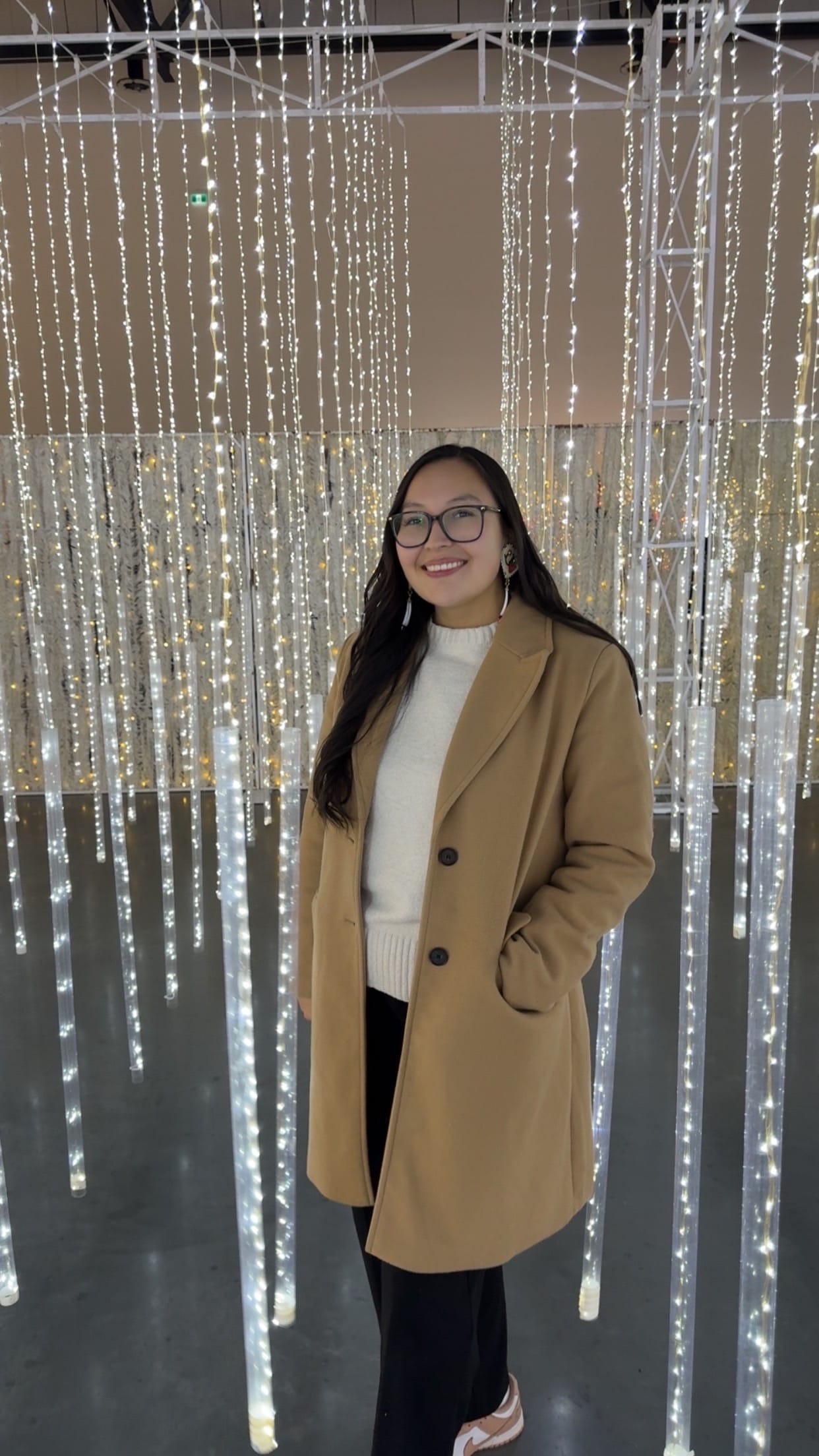
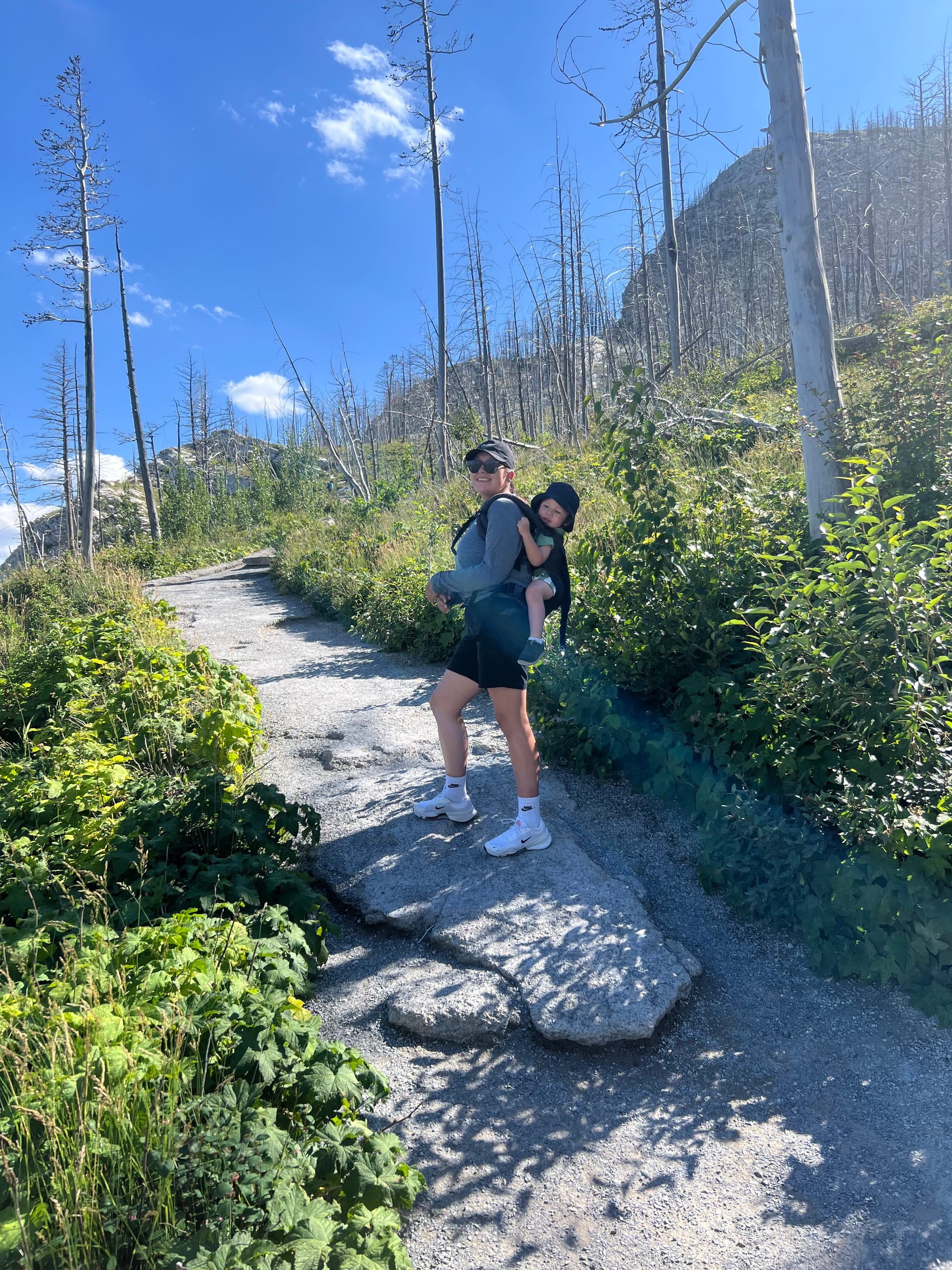
Malayia Red Gun (she/her)
Hometown: Siksika Nation
Program: Bachelor of Education (Early Years Education)
Why education? Tell us what inspired you to become a teacher.
Education has always felt deeply personal to me. As a Blackfoot woman and a mother, I have seen firsthand how powerful early learning experiences can be in shaping a child’s confidence, sense of belonging and relationship with learning. I was inspired to become a teacher because I want to be part of those foundational moments, creating spaces where children feel seen, valued and supported as they begin their educational journey.
My experiences within my community and culture have taught me that learning is a relational, holistic, and care-based process. I am passionate about early childhood education because these early years lay the groundwork for a child’s academic, emotional, and social development. I want to help set children up for success by nurturing their curiosity, honouring their identities and fostering a love for learning from the very beginning.
What have you learned about teaching that's surprised you or excited you through your journey in the Faculty of Education?
One of the most surprising and exciting things I have learned is how relational teaching truly is. Through my experiences in the Faculty of Education and in the classroom, I have come to understand that meaningful learning happens when students feel safe, connected and valued. Building strong relationships is not separate from teaching; it is the foundation of it.
I have also been excited to see the impact that intentional, responsive teaching can have, especially in early childhood education. Small moments, such as listening closely, offering encouragement or adapting instruction to meet a child where they are can make a significant difference in a student’s confidence and engagement.
Additionally, I have been encouraged by how education is evolving to value diverse ways of knowing and learning. As an Indigenous student teacher, it has been meaningful to see space being made for culturally responsive practices and holistic approaches to education. This has affirmed my belief that teaching is not just about delivering content, but about nurturing the whole child and creating inclusive spaces where all learners can thrive.
What does good teaching look like to you? Tell us about the teacher you strive to be.
To me, good teaching begins with relationships. It looks like creating a safe, welcoming environment where every child feels seen, respected and supported. I believe students learn best when they know and can feel like they belong, and when their identities, experiences and voices are valued in the classroom.
The teacher I strive to be is caring, patient and responsive. I aim to meet students where they are and support their learning in ways that honour their individual strengths and needs. Especially in early childhood education, I believe good teaching is grounded in curiosity, learning through play and encouragement, helping children build confidence and a positive relationship with learning from the very beginning.
As an Indigenous educator and a mother, I am also guided by holistic approaches to teaching that nurture the whole child academically, socially, emotionally and culturally. I strive to be a teacher who leads with kindness, models respect and creates inclusive spaces where children feel empowered to grow, take risks and believe in themselves.
Tell us about any standout practicum/learning experiences in the field and how they have impacted you.
One of my most impactful learning experiences during practicum was working in early learning classrooms, where I was able to build meaningful relationships with students and support them through both academic learning and emotional development. Being present for children during moments of curiosity, challenge and growth reinforced for me how important consistency, patience and care are in early childhood education.
A standout experience was learning how to adapt instruction to meet diverse learning needs. Through observation, collaboration with mentor teachers and hands-on practice, I gained confidence in using flexible strategies to support students at different stages of development. This experience showed me that effective teaching is not one-size-fits-all, but responsive and rooted in knowing your learners.
These experiences deeply impacted me by strengthening my commitment to creating inclusive, supportive learning environments. They also affirmed my desire to work in early childhood education, where I can help lay strong foundations for learning and belonging. Practicum has allowed me to grow not only as an educator but as a reflective, compassionate professional who values relationships as the heart of teaching.
What advice would you give to future Faculty of Education students?
My advice to future Faculty of Education students is to give yourself grace and trust your journey. Celebrate your mistakes, remember teaching is relational and reflective, take time to learn from your experiences, ask for support, and remember why you chose this path. Your identity, lived experiences and story are strengths that will shape the educator you become.
- Paid work terms
- Hands-on career & research experience
- International study
- Awards, scholarships and a range of student support
Learn how!